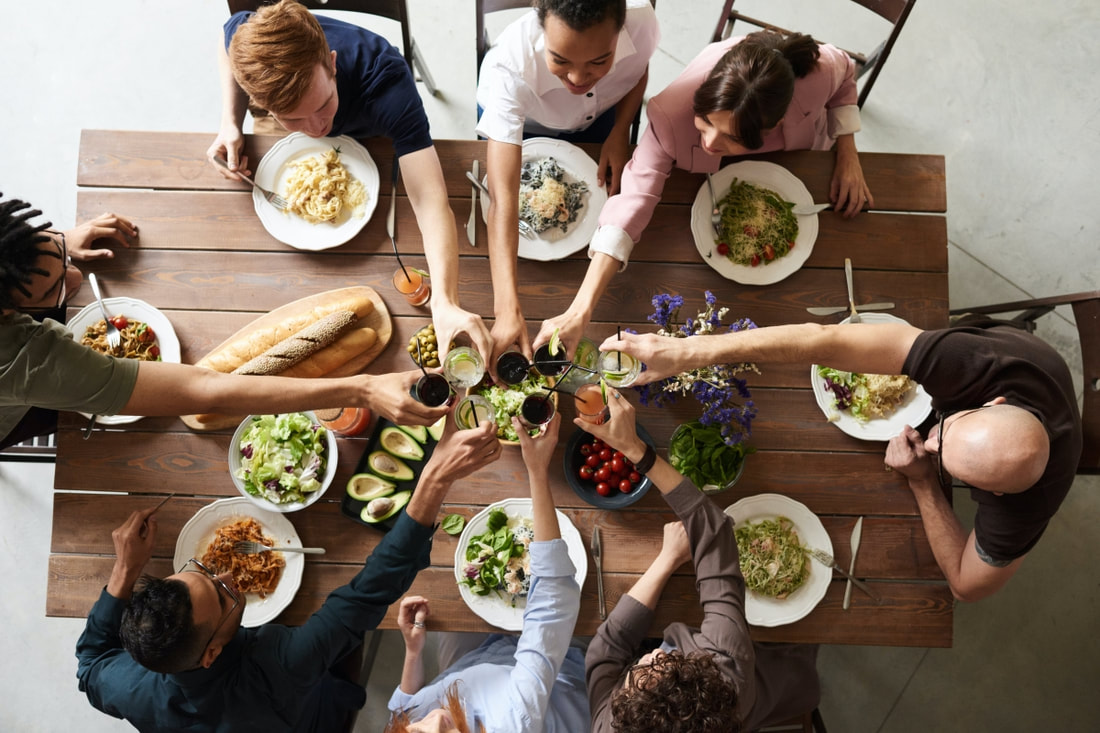
 The food and beverage industry is exploding with flavors from a rise in plant-based alternatives to the resurgence of fermented foods. In 2024, gastronomic experience focuses on more sustainable, personalized, and experiential dining experiences.
Did you know . . .
New and fresh flavors and ingredients create opportunities for exciting product launches and line extensions to capture consumer attention. To help savvy food and beverage marketers stay abreast of industry trends, Allen Marketing Communications, Inc., a boutique food and beverage PR agency based in New York City, delve into the key trends poised to redefine the food and beverage landscape in 2024. Hyper-Local And Hyper-Global Fusion Hyper-local and hyper-global fusion refers to the phenomenon of foodies seeking out both local and global experiences simultaneously. This trend is fueled by the rise of globalization and technology and it makes it easier than ever to connect with people and cultures from all over the world. A report by The Kitchen Community found that “80 percent of consumers are interested in learning more about the origins of their food and consequently people are inclined more toward experiencing new cultures and cuisines, especially when traveling.” This trend is emerging as a culinary tour de force. Chefs and food innovators are offering traditional ingredients with global influences, creating a vibrant tapestry of flavors that appeals to both the local palate and the globetrotters. Expect to see dishes such as kimchi tacos, matcha-infused croissants, and other surprising combinations that celebrate the best of both worlds. Plant-Powered Revolution The plant-powered revolution is a much-needed shift towards sustainable and ethical dining. According to the Plant-Based Foods Association study, “62 percent of consumers are trying to eat more plant-based meals. Additionally, 29 percent of consumers are making an effort to avoid meat altogether. The plant-based eating trend is particularly strong among younger generations, with 73 percent of millennials and 70 percent of Gen Z respondents indicating an interest in plant-based foods.” Food and beverage companies are now expanding its product lines to include innovative plant-derived dairy, seafood, and egg alternatives – making the world more Vegan-friendly. Immersive Dining Experiences Consumers are now seeking immersive dining experiences that engage all their senses - from interactive dining events to augmented reality-enhanced menus, the focus is shifting from a mere dining place to a place where consumers can create memorable moments. Immersive dining experiences often have a strong theme, such as a specific period, location, or genre. Modern consumers relish the environment as well while savoring the local or international flavors. It’s not just limited to theme but extended to theatrical elements, interactive experiences, and sensory experiences. According to a study by Eventbrite, “75 percent of diners are willing to pay more for a unique dining experience.” Mindful Mixology In the world of beverages, mindful mixology is gaining momentum. Consumers are increasingly seeking beverages that not only tantalize their taste buds but also offer wellness benefits. According to the Distilled Spirits Council of the United States (DISCUS) study, “27 percent are willing to pay more for cocktails made with high-quality, less processed ingredients. This trend is particularly evident among 62 percent of millennials and 59 percent of Gen Z respondents.” In addition, pubs, bars, and restaurants are offering innovative non-alcoholic drinks to attract modern consumers. From non-alcoholic cocktails to mood-enhancing elixirs, the beverage industry is crafting innovative concoctions that cater to the holistic well-being of the consumer. Zero-Waste Gastronomy Zero-waste gastronomy is making strides as chefs and restaurants find innovative ways to minimize food waste. From root-to-stem cooking to upcycled ingredients, the culinary space is embracing sustainability as a core value. The World Wildlife Fund’s recent survey suggests that “73 percent of consumers are concerned about food waste.” Brands and hospitality service providers are more and more focusing on adopting and communicating eco-friendly practices to contribute to a greener planet and sit well with the eco-conscious consumer. Leveraging The Trends With Strategic PR Selection Our food and beverage professionals help brands capitalize on the growing food and beverage trends to remain relevant and appealing to their consumer base. The key to success lies in understanding, adapting, and innovating within the dynamic shift of the food and beverage world. By Joanna Allen, chief executive officer, Allen Marketing Communications, Inc.
0 Comments
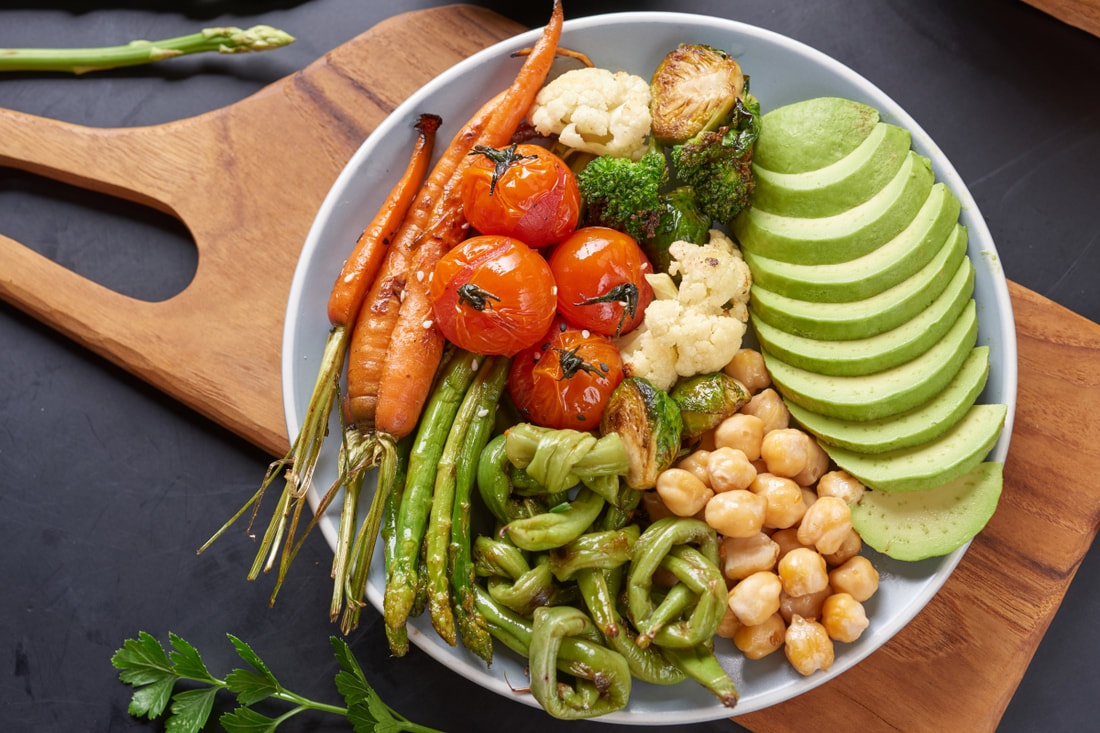 Veganuary encourages individuals to embrace a meat-free and dairy-free plant-based diet for the entire month of January. It is more than just a fleeting resolution: it's a profound shift toward a sustainable, ethical, and health-conscious lifestyle.
Did you know . . .
In this blog, Allen Marketing Communications, Inc., a boutique food and beverage public relations agency, explores the growing popularity of plant-based diets. What Is A Vegan Diet - Veganism? A vegan diet is quite simply a plant based diet “rich in fruits, vegetables, grains, beans, nuts, seeds and unsaturated fats.” (Source: WebMD) A vegan diet abstains from all forms of animal exploitation, extending beyond dietary choices to embrace a holistic ethos. Although a vegan diet has been gaining popularity during the Covid-19 pandemic because of the natural benefits to boost one’s immunity, a vegan lifestyle has been embraced by people in Jainism – an Indian religion for more than 2500 years ago. Vegan vs. Vegetarian – Which One Should I Choose? Vegans are one category of a vegetarian. Vegans adhere to a strict plant based vegetarian diet. Other types of vegetarians include - ovo-lacto vegetarians,pescatarians, flexitarians.
Health Benefits Of A Vegan Diet Veganuary is an excellent way for non-vegetarians to explore the health benefits of a vegan diet by embracing a plant based diet for one month. Improves Heart Health Embracing a vegan diet can be a great relief for your heart. Studies consistently show that plant-based eating is linked to lower blood pressure, cholesterol levels, and a reduced risk of heart disease. By sidestepping saturated fats found in animal products, vegans often enjoy improved cardiovascular health, paving the way for a stronger, more resilient heart. Great For Weight Management A vegan diet is rich in fiber-rich fruits, vegetables, and whole grains, plant-based meals foster a feeling of fullness, curbing excessive calorie intake. With a focus on nutrient-dense foods, individuals can achieve their weight loss goals by shedding unwanted pounds through wholesome eating. Stabilize Blood Sugar Enjoy stabilized blood sugar levels with a vegan diet. The fiber and complex carbohydrates that are abundant in plant-based diets contribute to a gradual release of glucose, preventing the spikes and crashes associated with refined sugars. This steadiness in blood sugar levels is great for those managing diabetes or striving to maintain optimal energy levels throughout the day. Let Your Gut Smile The gut microbiome thrives on diversity, and a vegan diet offers a flourishing diet of fiber, prebiotics, and plant compounds that nourish beneficial gut bacteria. A well-balanced gut microbiota (gut microorganisms) not only supports good digestion but also plays a pivotal role in immune function. Anti-Inflammatory Power A Vegan diet can stop this from happening. Plant-based diets are naturally rich in anti-inflammatory compounds, such as phytochemicals and antioxidants. By reducing inflammation, you can also get relief from conditions like arthritis and lower the risk of inflammatory-related diseases. Improve Bone Density Plant-based sources such as fortified plant milk, tofu, and leafy greens offer robust bone support and it offers a balance of nutrients, ensuring that bones remain sturdy and resilient throughout time. Power To Defeat Cancer Abundant in cancer-fighting compounds such as phytochemicals and antioxidants, A vegan diet has been associated with a reduced risk of certain cancers. Veganuary emphasizes whole, unprocessed foods that provide a protective shield, empowering the body in its battle against malignant cells. Improves Cognitive Ability One of the potent plant sources - Omega-3 fatty acids along with a myriad of vitamins and antioxidants, support cognitive function and may reduce the risk of neurodegenerative diseases. Enhanced mental clarity and a fortified fortress against age-related cognitive decline. Emerging Businesses Capitalizing On The Veganuary Trend 2024 Businesses can capitalize on the Veganuary trend by aligning their products and messaging with the growing interest in plant-based living. Companies have been expanding its product offerings to include vegan-inspired menus to tap into this growing trend. Allen Marketing Communications, Inc. can play a pivotal role in helping companies leverage the Veganuary trend all year long. Our team of skilled food and beverage PR and marketing professionals can craft messages to reach consumers embracing a vegan diet. 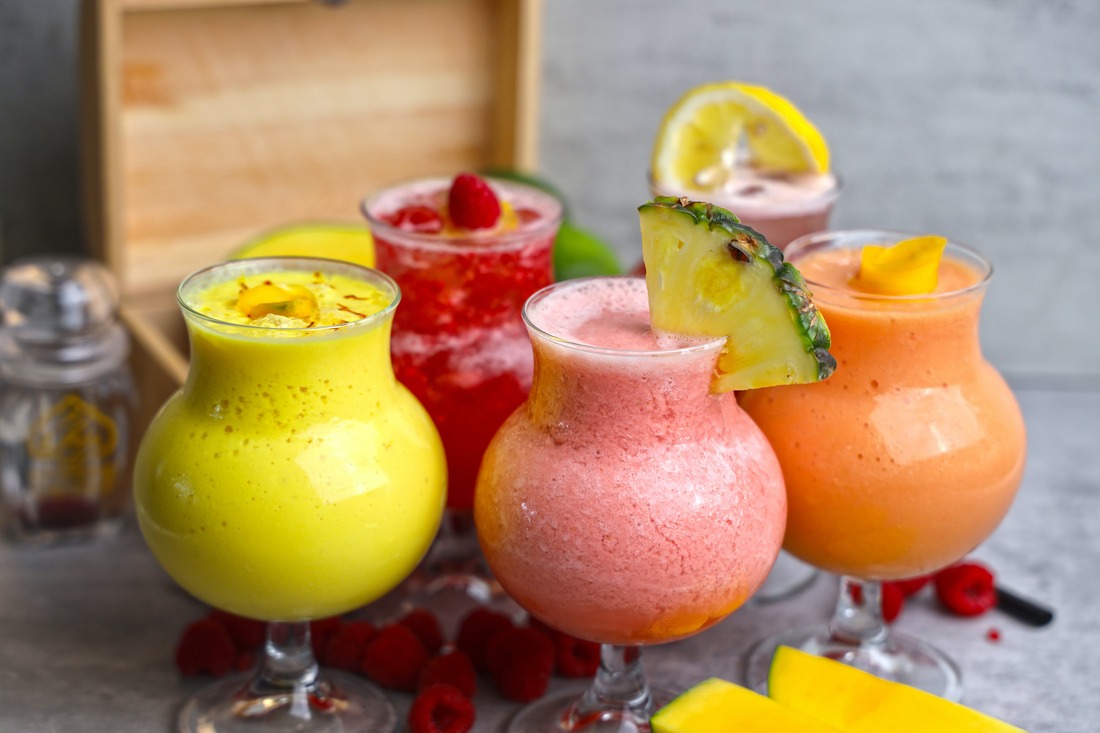 Dry January is a month-long period of abstaining from alcohol. Dry January has gained popularity among health-conscious individuals and those seeking to reduce their alcohol consumption.
Alcohol Change UK first coined Dry January to take a break from alcohol for the first month of the year to taste the physical and mental benefits of sobriety. This challenge has grown into a global phenomenon. Here are key findings as it pertains to the challenge to embrace an alcoholic free lifestyle.
The wine and spirits industry has also embraced the Dry January lifestyle, introducing alcohol-free line extensions to popular beverages such as beer, wine, and cocktails. The rise of alcohol-free alternatives and the marketing of "Dry January" specials by alcohol companies further emphasize the cultural shift towards mindful drinking. Allen Marketing Communications, a boutique wine and spirits public relations agency based in New York City, spotlights key trends as it pertains to the Dry January challenge to help marketers tap into new business opportunities. Sober Bars Are New Hot Spots Of Night Life A remarkable evolution in alcohol-free lifestyles is the emergence of sober bars, challenging the traditional notion that ‘nightlife is just for alcoholics.’ Sober bars serve all kinds of non-alcoholic beverages, ranging from handcrafted mocktails, to craft sodas, healthy drinks to crazy refreshing teas. If you are a person who wishes to avoid the alcoholic public and invitations, then Sober Bars can be your next haven. According to the IWSR Drinks Market Analysis report, “the number of sober bars worldwide has increased by 75 percent in the last five years.” And the reasons are quite obvious:
The Rise Of The Mocktail The trend of alcohol-free living is gradually increasing among Baby Boomers as well. So, what is a mocktail? A mocktail is a non-alcoholic beverage that mimics the appearance and taste of a cocktail and yet has zero percent alcohol ingredients. They are typically made with a variety of ingredients, such as fruits, juices, herbs, and spices. Mocktails, or non-alcoholic cocktails, have become a staple in social gatherings, weddings, and even corporate events. Caterers and mixologists are now investing time and creativity in crafting sophisticated mocktail menus that rival their alcoholic counterparts. Some popular mocktails on the list are Virgin Piña Colada, Arnold Palmer, Mimosa, Aperol Spritz, and many more. According to a NielsenIQ survey, “47 percent of consumers are choosing to order mocktails more often than they did before the pandemic. Also, the demand for mocktails is reflected in the growth of the non-alcoholic beverage market.” Why Should You Give Dry January A Go? The benefits of participating in Dry January extend far beyond a mere break from alcohol. The conscious sippers often report improved sleep, increased energy levels, weight loss, and enhanced mental clarity. This one-month-long hiatus can also serve as an eye-opener for those who may have underestimated the impact of regular alcohol consumption on their overall well-being. Additionally, Dry January can be a stepping stone for individuals looking to reevaluate and potentially reduce their long-term alcohol intake. Companies Can Leverage The Trend Marketers are promoting Dry January as a healthy lifestyle choice, associating it with weight loss, improved sleep, and reduced stress. Health and wellness influencers, as well as celebrities, are increasingly endorsing the trend, contributing to its mainstream appeal. Social media has played a pivotal role in the surge of Dry January's popularity, especially among the Millennials and Gen Z. Hashtags such as #DryJanuary and #AlcoholFree are trending across platforms, creating a social community of support and accountability. Our team of wine and spirits public relations professionals can help companies navigate and capitalize on the evolving trends of alcohol-free lifestyles, ensuring strategic communication that resonates with a growing consumer base seeking healthy alternatives. By Joanna Allen, chief executive officer, Allen Marketing Communications, Inc. 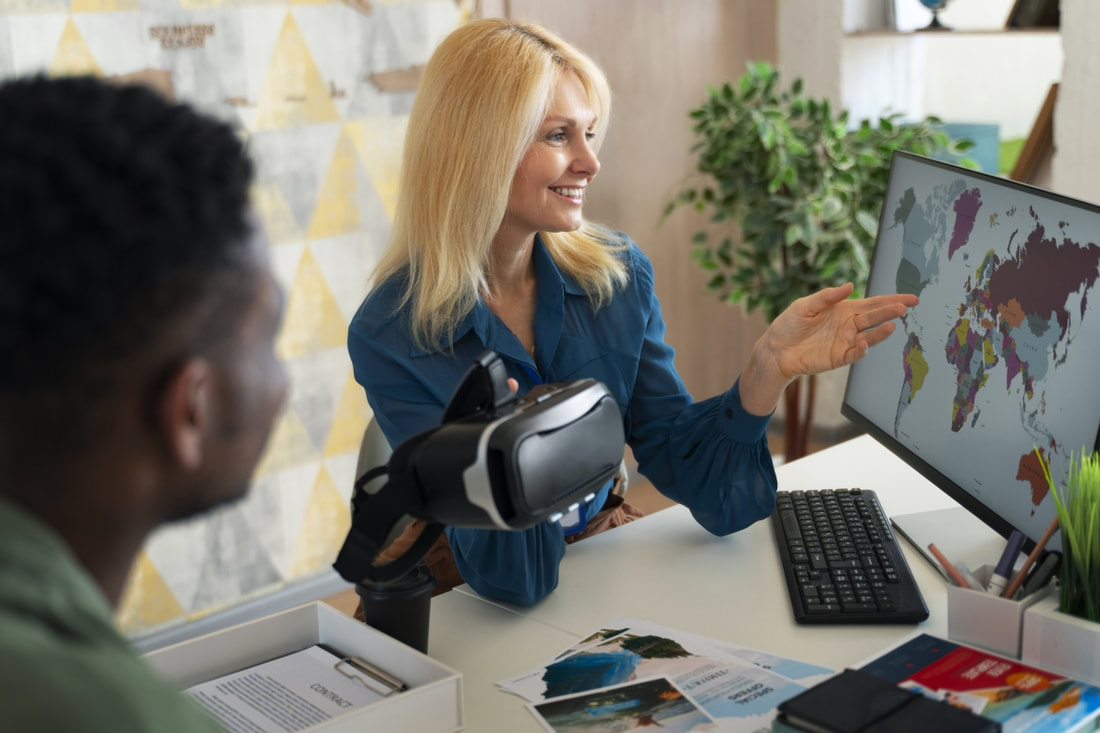 In 2024, the travel and tourism industry is set to embrace a wave of immersive travel experiences, seamlessly blending cutting-edge technology, personalization, and an insatiable yearning for unparalleled journeys. Research shows travelers will be empowered to craft bespoke itineraries tailored to their unique interests and strict preferences, guided by AI-powered recommendations and virtual reality experiences.
“Overall, the tourism sector is on course to recover 90 percent of the pre-pandemic levels by the end of 2023. International tourism receipts could reach US 1.4 trillion in 2023 about 93 percent of US 1.5 trillion earned by destinations in 2019,” according to the The World Tourism Organization (UNWTO). The Hilton's 2024 Trends Report reveals the following key findings about the modern globetrotter:
In this blog, Allen Marketing Communications, Inc., a boutique travel and lifestyle public relations agency based in New York City, highlights the eight key travel trends for 2024 to travel marketers stay competitive and reach the modern travelers. Personalization - Your Journey, Your Way In 2024, one size does not fit all travelers. Personalization is the key to unlocking a trail of unforgettable travel experiences. From customized itineraries to tailor-made activities, travelers are seeking journeys that resonate with their unique interests and preferences. According to a McKinsey study, “71 percent of travelers expect companies to provide customized experiences and interactions. And 76 percent get irritated when this fails to happen for their trip.” Travel companies can therefore leverage data to craft personalized experiences, ensuring that each adventure is a reflection of the individual's interests, behaviors and expectations. Immersive Travel Immersive travel enables an individual to ‘immerse yourself in the heartbeat of a destination’. According to the Global Travel Trends Report, “the majority of travelers (70 percent) revealed that they are interested in cultural immersion (concerts, music festivals, sporting events, etc.) - and will plan their travel accordingly.” Beyond the usual tourist hotspots, immersive travel involves delving deep into the local culture, traditions, and daily life. Whether it's learning traditional dance, participating in a cooking class, or volunteering with local communities, immersive travel fosters a profound connection with the places you visit or planning to visit for specific knowledge-gathering reasons. Artificial Intelligence (AI) In Travel Planning & Booking With the successful inception of artificial intelligence, planning your dream vacation has become a breeze. AI helps travelers decode the labyrinth of options to craft an itinerary tailored to their preferences. From suggesting the best flight deals to recommending hidden gems at your destination, AI algorithms are transforming the way we plan and book our journeys. As per Statista, “the share of AI-influenced revenue in the travel industry will also experience a rise of 32 percent in the first quarter of 2024.” Additionally, the most recent “Longwoods International monitoring research reveals that more than a third of US travelers (32 percent) admitted that they would prefer to use ChatGPT to arrange a trip.” (Source: Forbes) This highlights the growing prominence of modern chatbots as an important marketing tool, attributed to the gradual surge in people's enthusiasm, assurance, and convenience. Set Jetting Inspired Vacations Time to shift from traditional ‘sightseeing’ to ‘set jetting’. Set jetting explores destinations that have played starring roles in your favorite movies and TV shows. Imagine walking the cobbled streets of an enchanting European town that served as the backdrop for a beloved film or the set Travelers can step into the scenes that capture their imaginations and hearts of course. Dry Tipping "Dry Tipping" is emerging as a conscious and innovative travel trend in 2024. It is redefining the way travelers express appreciation for exceptional service. Unlike traditional tipping with cash, Dry Tipping encourages travelers to express gratitude through non-monetary means such as:
This trend is promoting sustainability and reducing the reliance on physical currency while helping to develop a more meaningful connection between travelers and service providers. Destination Dupes – Best Alternatives 'Destination Dupes' opts for alternatives to popular tourist spots, unveiling hidden gems that offer a more authentic experience. By choosing off-the-beaten-path destinations, travelers are not only avoiding the crowds but they are also supporting local economies. TikTok has magnanimously boosted the Destination Dupes trend in the world via viral challenges, hashtags and influencers sharing their unique experiences. Other platforms such as Instagram and Pinterest are also inspiring travelers to explore alternatives to popular destinations. Sustainable Travel Sustainability travel is a responsibility and not just a buzzword. Travelers are increasingly mindful of their environmental impact and are seeking eco-friendly options that support conservation efforts. From choosing eco-friendly accommodations to offsetting carbon emissions, sustainable travel is a trend that's here to stay. A growing number of people are consciously choosing eco-friendly accommodations, actively reducing single-use plastics, and fully supporting local conservation initiatives. Bleisure Travels Business travelers are embracing bleisure travel – traveling for business and extending their stay for leisure activities The Covid-19 pandemic has made it popular for individuals to work remotely anywhere in the world. Remote workers stay longer in a destination and immerse themselves in the local culture. Our team of travel and lifestyle public relations professionals are here to help travel marketers stay on the pulse of emerging trends. Give us a call. By Joanna Allen, chief executive officer, Allen Marketing Communications, Inc.  In the consumer marketing industry, hyper-personalization has become the norm and consumers are increasingly skeptical of cookie-cutter marketing messages. Brands that embrace authenticity, transparency, and a genuine connection with their audience will rise above the rest.
In fact, some brands are growing tremendously by providing:
In the end, authenticity always wins and makes connections with the company's target audience. Allen Marketing Communications, Inc., a boutique travel and lifestyle public relations agency based in New York City, highlights eight key marketing trends for 2024 to help companies stand out and capture market share. Here are the key trends to pay attention to next year. Podcast Marketing Podcasts have become an essential part of many people's lives, and smart advertisers are taking advantage of this trend with witty podcast advertising, sponsorships, and branded content. “B2B podcasts offer a platform for industry thought leadership, fostering trust and credibility. With 37 percent of B2B marketers utilizing podcasts, this marketing trend reflects the medium's effectiveness in delivering valuable insights, building connections, and enhancing brand authority. The listeners also believe that the ads in the podcasts are somewhat related and hence, they are generally satisfied with it.” (Source - Content Marketing Institute, 2022). In 2024, podcasts, still immune to AI content generation and hyper-personalization, can be used as a great lead-generation tool. Voice Search Optimization Voice Search Optimization is a key trend since 55 percent of households are expected to own a smart speaker. Optimizing content for natural language queries enhances visibility, with voice searches set to constitute 50 percent of all searches, including using conversational keywords and creating FAQ-style content. Embracing this trend ensures brands align with changing user behavior, enhancing accessibility and user experience in the evolving world of voice-activated technology. AI-Based Marketing Strategies AI-based hyper-personalization will change how companies interact with their customers or clients. Gartner predicts that ‘by 2024, 40 percent of enterprise applications will have embedded conversational AI, up from less than 5 percent in 2020.’ Media houses and marketers are going to increasingly count on artificial intelligence algorithms to analyze massive volumes of data to create more targeted and personalized customer experiences. Personalized recommendations, chatbots, and predictive analytics are just a few examples of how AI is reshaping marketing strategies, making interactions more refined, engaging & ROI driven. Social Media Marketing Social Media Marketing has dominated the world's marketing strategies since 2000. In 2023, “WhatsApp, Twitter, Snapchat, and Pinterest experienced a significant dip, whereas platforms such as TikTok, LinkedIn, and Instagram experienced notable post-pandemic growth,” according to Hootsuite. “Social media’s social search has become the biggest threat to traditional Search Engines because there is real-time human interaction or suggestion. Gen Z and Millennials rely on social media search more.” (Source – Pew Research Center, 2023 Data). TikTok is now integrating Google search results into its in-app results. The company has introduced powerful search features to its Creative Center, such as Keyword Insights to create a more authentic impact among the users. “X’s Thread with its short text strategy is now reaching more than 44 million daily active users and it is growing day by day.” (Source – Hootsuite) In 2024, short-form videos (including YouTube shorts), interactive content, and community-building initiatives are expected to dominate social media marketing strategies. Influencer Marketing Influencer marketing continues to be an important marketing tool but with a twist. Micro and nano-influencers are gaining prominence, as audiences seek more genuine connections. Brands are moving away from celebrity endorsements and embracing micro influencers or regional influencers who align with their values, fostering authenticity and building trust. Augmented Reality Marketing Augmented Reality (AR) is breaking new ground in marketing by providing immersive and interactive experiences. From virtual try-ons to AR advertisements, brands such as IKEA, Gucci, Amazon Salon, Sephora, Kohl, and Asos are already leveraging a great deal using this technology to create a user-friendly, informative, and memorable brand interaction. According to ARtillery Intelligence, “AR advertising spending is projected to reach $13 billion by the end of 2023 and expected more in 2024, showcasing a 38 percent YoY average growth per year.” (Source - ARtillery Intelligence, 2023). AR and VR are now showing steady growth in the marketing industry with other industry players also pinning their entry such as Apple Vision Pro. Shifting Towards Streaming & CTV Shifting Towards Streaming & CTV (Connected TV) has been a great 2023 and will be a 2024 marketing trend, driven by the surge in digital consumption. “With 80 percent of U.S. households having at least one CTV device, brands recognize the potential of targeted, personalized advertising on these platforms as an integral component of future-focused marketing strategies. (Source - Leichtman Research Group data). Self-Service Ad Platforms Self-Service Ad Platforms are a game changer mix-and-match marketing strategy for many companies, empowering brands with autonomy and efficiency. This can be your top 2024 advertising partner, so stay tuned! Here are examples of current self-service Ad platforms.
“Brands such Shopify and small businesses are leveraging self-service platforms, with a 28 percent increase in self-serve ad spending expected by 2024.” (Source – eMarketer) The shift towards these platforms will bring more flexibility, transparency, advanced AI optimization and direct control. Allen Marketing Communications, Inc. stays on the pulse with key marketing trends to help our clients capture market share in their industry. We provide brands with a strategic partner in crafting authentic, personalized, and powerful marketing campaigns. By Joanna Allen, chief executive officer, Allen Marketing Communications, Inc. 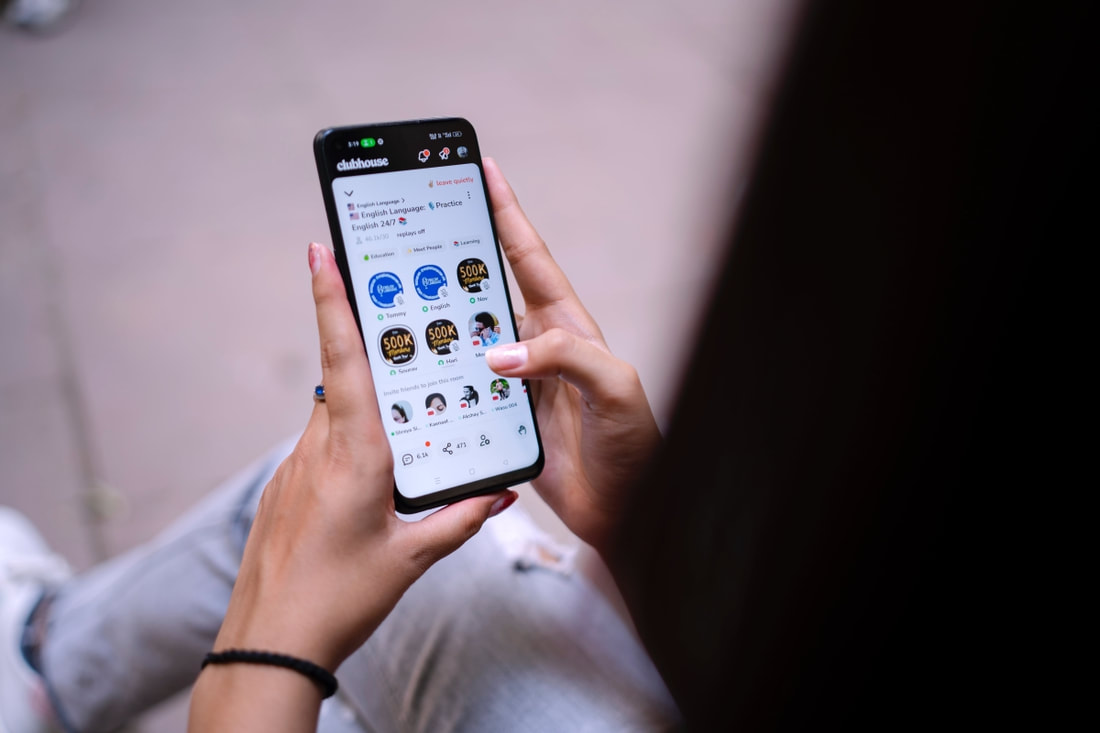 Clubhouse is an audio-focused social media platform where discussions take place in real time. Clubhouse has virtual rooms where users may engage in talks on a variety of themes.
Once an exclusive sound audio app favored by industry influencers and celebrities. Clubhouse has quickly expanded its platform to companies and the general public. Here are key insights about this social media platform.
In this blog, Allen Marketing Communications, Inc., a boutique travel and lifestyle public relations agency based in New York City offering social media marketing services, shares insights on how businesses can leverage this social media platform. Once an invite-only audio-based social networking app, Clubhouse offers a unique opportunity to foster meaningful interactions and build brand awareness. Define Your Objectives And Target Audience It is important to decide on your target demographic audience and set clear targets. What do you want Clubhouse to accomplish for you? Are you trying to promote specific products or services, increase website traffic, or build brand awareness? Your content strategy and engagement approach will be determined by your understanding of your objectives. Optimize Your Clubhouse Profile Your Clubhouse profile leaves a lasting impression on prospective followers. So, make sure of the following:
Join And Participate In Relevant Rooms Clubhouse’s topic-based room structure offers a great way to engage with your target audience and expand your market.
The Clubhouse rooms can be categorized into three layers -- stage, front row, and audience. Click on these categories to access the information of the users. You can choose to follow them according to their interests to create a network of potential contacts. Host Your Own Rooms By hosting your own Clubhouse rooms, it creates an opportunity to tell your brand’s story. Organize discussions on trending consumer topics and social trends and engage your audience in the playground. Listen to your consumers in these discussions can help you understand consumer minds and construct a better marketing strategy next time. Here are some suggestions for using your Clubhouse rooms as a marketing tool:
Collaborate With Influencers Collaborating with public figures and influencers can boost your brand’s visibility and authority on Clubhouse. Determine the trending influencers in your niche, then reach out to them about speaking at your rooms or co-hosting events. Monitor & Evaluate The Results Monitor your Clubhouse engagement data all the time, including:
With these key points, you can determine what is effective, what requires improvement and the next discussion topic. Shaping The Social Media World As Clubhouse continues to evolve, its impact on social networking, brand building will be tremendous. To keep ahead of the curve, our team of social media strategists can increase brand recognition, and interact with your audience, start growing your Clubhouse following for business right away. By Joanna Allen, chief executive officer, Allen Marketing Communications, Inc.  TikTok has taken the world by storm in the constantly evolving social media space, giving brands a never-before-seen platform to market their products and services. It has not only revolutionized traditional social media marketing tactics but also influenced customer behavior, and created new revenue sources, becoming the focus of top marketers and companies in the world.
Since its launch seven years ago, TikTok, a short-form, user-generated video platform has quickly become a cultural powerhouse with more than one billion monthly active users. TikTok has become a popular social media platform for several reasons including
The app's popularity is international, giving users a creative platform to express themselves via humor, science, dancing, music, and other mediums. TikTok's seamless fusion of community and entertainment has catapulted the platform to the forefront of social media, giving people worldwide a platform to express their creativity in 60 seconds or less. What Is TikTok’s Demographic Reach & Users’ Population? Although Gen Z users were among the first to adopt the platform, its attractiveness has subsequently expanded internationally. Businesses need to analyze the demographics of TikTok's user base in order to create ads that are both targeted and effective social media campaigns.
Allen Marketing Communications, Inc., a boutique travel and lifestyle public relations agency based in New York City offering social media marketing services shares key insights to help companies navigate the fascinating world of TikTok as a marketing tool. Top Five Trends On TikTok For A Successful Social Media Marketing In terms of profitability, leveraging TikTok trends for marketing may be very successful, particularly for companies trying to reach younger, tech-savvy consumers. Now, let's delve into the top five trends that businesses can leverage to amplify their TikTok advertising efforts: ● Hashtag Challenges TikTok thrives on challenges that drive user engagement. Make a branded hashtag challenge to draw people in and encourage original interactions with your business. ● Influencer Collaborations Influencer partnerships on TikTok can greatly increase brand awareness. Determine whether influencers have a following that is similar to your intended audience. ● Behind-The-Scenes Glimpses Offer a genuine glimpse into your company with behind-the-scenes content. This trend gives your brand a human face, whether it's during the creation of a product or an ordinary workday. ● Educational Content Capitalize on TikTok's educational trend by including quick tutorials, product demonstrations, or industry insights. The Washington Post has used TikTok to break down complex news stories into digestible and engaging videos earning the trust of new Gen. ● User-Generated Content (UGC) Encourage people to produce content that highlights your good or service. User-generated content (UGC) not only acts as real testimonials but also naturally broadens the brand's audience. How Profitable Is TikTok For Businesses? It is 100 percent true! Businesses and marketers use various strategies on TikTok, including creating branded content, collaborating with influencers, participating in viral challenges, and utilizing TikTok's advertising features. According to the TikTok 2023 report, “78 percent of TikTok consumers made a purchase after seeing a product mentioned in TikTok content.” Marketers can leverage TikTok’s trends and popularity by covering three main areas: ● Influencer Marketing – Influencers understand the marketing flow and trend better than any other agency. It is better to hire TikTok influencers to showcase your brand to a new audience, boosting awareness and sales. ● Original Content – The content calendar plays a huge role here. Though some trends quickly overlap others to be on your audiences’ minds, marketers are required to follow the current trend or challenge. And the easiest way to do so is to replicate or recreate the original one. This way, marketers can get some time to create an original TikTok video. ● Paid Advertisement – Quite a new addition, TikTok for Business is specially created for companies that can pay to be on top. With this, brands can run in-feed ads, create brand hashtags and personalized video effects. Rev Up With The New Gen & Demands It is important to stay abreast of trends, user data, demographics, and special features on TikTok to be successful in social media marketing on this platform. Business may carve out a niche and flourish in the dynamic TikTok community by analyzing your market, accessing TikTok's large audience, and adopting the hottest trends. Our social media marketers are here to help companies reach new customers on TikTok. Give us a call. By Joanna Allen, chief executive officer, Allen Marketing Communications, Inc.  While the fundamental principles of optimizing websites in organic search engines remain unchanged, the ways businesses use SEO strategies change with emerging trends. Since Google trends and consumer behavior are constantly evolving, it is important for businesses to work with the digital marketing agency to reap the rewards of an effective and advanced SEO strategy.
SEO For E-commerce A global retail study shows “that more than half of the shoppers use Google to research products/services they wish to purchase online.” (Source: NEIL PATEL) This is why SEO is the basis of e-commerce digital marketing efforts. It helps your online business understand the ins and outs- your target audience, the quality score of your Google Ads, and how to generate a larger volume of online traffic. By leveraging the right tools and updated versions of SEO trends, companies are halfway to success with their search engine ranking potential. In this blog, our partner agency, Yukti Digital, provides a sneak peek into the top SEO trends that increase website visibility and ROI. SEO Keyword Research A good e-commerce SEO strategy begins with good keyword research. This ensures you are choosing the right words in your on-page SEO strategy and boosting your SEO efforts. A long-tail keyword is often recommended by SEO experts for better search results. The keywords are longer and more specific search phrases that typically contain at least two or three words or more and have low volume. These are significantly more valuable to an e-commerce store. These phrases also tend to convert at a much higher rate. Long-tail keywords are crucial for any business, but they are good, especially in a highly competitive niche. Technical SEO And Page Speed Before you begin with an SEO campaign, make sure to perfect technical SEO to ensure your e-commerce website runs smoothly and free of technical glitches. Technical SEO involves optimizing site speed through techniques such as image optimization, browser caching, and minimizing HTTP requests, improving overall performance. A good user experience thus leads to higher engagement, longer time spent on the site, and increased conversion rates. Page speed is also critically important for e-commerce websites. Fast-loading pages contribute to a positive user experience. Users are more likely to stay on your website and engage with its content if pages load quickly. Slow-loading pages can lead to frustration and a higher likelihood of users abandoning the site. Page speed is also a ranking factor for search engines such as Google. Faster-loading pages are often ranked higher in search results resulting in increased visibility and organic traffic, which is crucial for e-commerce websites. Core Web Vitals – CWV Google introduced Core Web Vitals in 2020 -- a set of user-focused metrics that measure the performance of web pages. These metrics are essential for providing a good user experience, and they are particularly important for e-commerce websites where user engagement and satisfaction are crucial for business success. It is made up of three interaction measurements -- Largest Contentful Paint (LCP), First Input Delay (FID) and Cumulative Layout Shift (CLS). In other words, Google evaluates how quickly page content loads, how fast a browser responds to a user’s input, and how responsive the webpage is. In short, it is a ‘page experience’ score that determines the quality of your web pages. By improving your website’s CWV, you can improve the loading time of third-party scripts on your site. This is one of the vital components of SEO in 2023. Make It Mobile Friendly Do you know how your e-commerce website will thrive in a mobile-friendly landscape? A large number of shoppers are using their smartphones and tablets to make purchases online. Google also indexes the mobile version of a website. Using responsive web design techniques will create a flexible layout that adapts to different screen sizes. But what does it mean to turn to mobile-friendliness? Mobile-friendly websites provide a better user experience for visitors accessing your site on mobile devices. These sites are designed to be responsive, meaning they adapt to different screen sizes, ensuring that content is displayed in an easily readable and navigable format. Google prioritizes mobile-friendly websites in its rankings. It primarily uses the mobile version of the content for indexing and ranking. Having a mobile-friendly site can positively impact your search engine rankings, making it easier for users to find your website. Impacting SEO With Content Creating high-quality content for your e-commerce website involves crafting engaging product descriptions, compelling visuals, and a user-friendly interface. By combining engaging content with a user-friendly interface, you can create a compelling e-commerce website that attracts and retains customers. In the coming years, content will always be king! Whether you create an article, blog, image, or video, everything must be unique and professional. Here, quality means your content should be error-free and include some useful pieces of information that your target audience enjoys engaging with. Using the right keywords in the content with high readability is the key to on-page SEO success. Also, you must refer to “Google’s Search Quality Evaluator Guidelines E-A-T (expertise, authoritativeness, and trustworthiness).” (Source: Comrade Digital Marketing). Websites that demonstrate high levels of EAT are more likely to rank higher in search results, while those lacking in these aspects may find it challenging to achieve good rankings. It's important for website owners and content creators to focus on building expertise, authoritativeness, and trustworthiness to improve their search engine visibility. Conclusion What we learned is that SEO for e-commerce helps your website’s ranking, drives traffic to your store, and builds a strong customer base. It may sound easy, but there are lots of things to consider including concentrating on the best SEO practices and optimizing the critical areas of your website. Finally, SEO for e-commerce is not an overnight process. Instead, it is an ongoing strategy that requires frequent surveys and updating from time to time as you go to get the optimum results. By Sanjay Poddar, founder, Yukti Digital and consultant to Allen Marketing Communications, Inc.  Solo travel enables an individual to embark on a path of self-discovery, personal growth and immersion in a local culture. In a post Covid-19 world, solo travel has become more popular as individuals make up for lost time, take risks and explore the world on their own.
Did you know . . .
Solo travelers are opting to travel alone rather than waiting for friends and family to be ready to hit the road. As a result, travel companies are offering exclusive offers and waiving single supplements prices to appeal to solo travelers. To help marketers reach this market, Allen Marketing Communications, Inc., a boutique travel and lifestyle public relations agency based in New York City, explores the latest solo travel trends. The Changing Post-COVID Traveler Profile Since solo travelers “prefer to "see the world" rather than "wait for others," 77 percent of individuals travel alone.” (Source: Solo Traveler World). These travelers also want to be "free" and "independent," want to do what they want, when they want, and are generally interested in meeting new people and "personal growth." However, for many people traveling alone is a big step especially when traveling abroad, flying alone, visiting a foreign nation where you don't know the language or the customs. It is normal to be anxious about delayed flights and tourist scams and many solo travelers opt for local tours to bucket list adventure. An Increase Of Female Solo Travelers There has been a notable shift in the demographics of independent travelers – more women are traveling alone. Women feel empowered to travel the world alone for several reasons including financial freedom, enhanced safety precautions, social media posts from female solo travelers. Women are also traveling alone on a journey of self-discovery, as well as the flexibility in their schedule to see the world. Adventure Travel Adventure tourism – extreme sports, animal safaris, hiking, kayaking, and other outdoor activities – has become popular with solo travelers. ‘Bookings for solo travelers have increased significantly, according to reports.” (Source: REI Adventures). Adventure travel enables solo travel to embark on personal growth and self-discovery. Wellness Travel “Wellness retreats have increased by a significant 30 percent solo travelers” (Source: Global Wellness Institute). Wellness tourism allows solo travelers to focus on rejuvenation, meditation, and relaxation as part of their self-care regime. The Use Of Technology For Solo Travel Solo travelers can find it easier to plan their itinerary and explore foreign places with the help of certain apps that offer real-time information on lodgings, transportation, and attractions. Solo travelers have a wealth of information and tools at their disposal due to the widespread use of smartphones and the internet. It is important to recognize the impact of social media on solo travel. “45 percent of solo travelers use social media during their travels.” (Source: Solo Travel Society). Through social media, solo travelers can interact with other travelers, exchange travelogues, and get immediate advice from their networks. Eco-Friendly And Sustainable Solo Travel Solo travelers are looking for more eco-friendly and sustainable solutions because of their commitment to minimize their carbon footprint on the environment. “Seventy percent of solo travelers prioritize eco-friendly lodging.” (Source: Green Key Global). Solo travelers place a high priority on eco-friendly and responsible practices, such as using renewable resources, cutting back on waste, and consuming less energy. These travelers often book eco-friendly hotels, hostels, or they stay at eco-friendly campsites. Local Experiences And Cultural Immersion Solo travelers want real, immersive, and culturally enriching experiences, “Booking websites estimate a 25 percent rise in the number of single tourists selecting homestays.” (source: Airbnb). Furthermore, “the number of participants in cultural exchange groups' programs has increased by 40 percent” (Source: Cultural Travel Trends). Cultural exchange programs give solo travelers the chance to interact with local people on a meaningful level, improve skills such as a language and to truly immerse themselves in the local culture. Solo travelers are more and more inclined to promote cross-cultural relationships and pursue a deeper understanding of the globe. Savvy marketers should pay attention to the growing demand and shifting demographics for the solo travelers. Our team of travel and lifestyle public relations professionals can help travel marketers reach this growing market. By Joanna Allen, chief executive officer, Allen Marketing Communications, Inc. 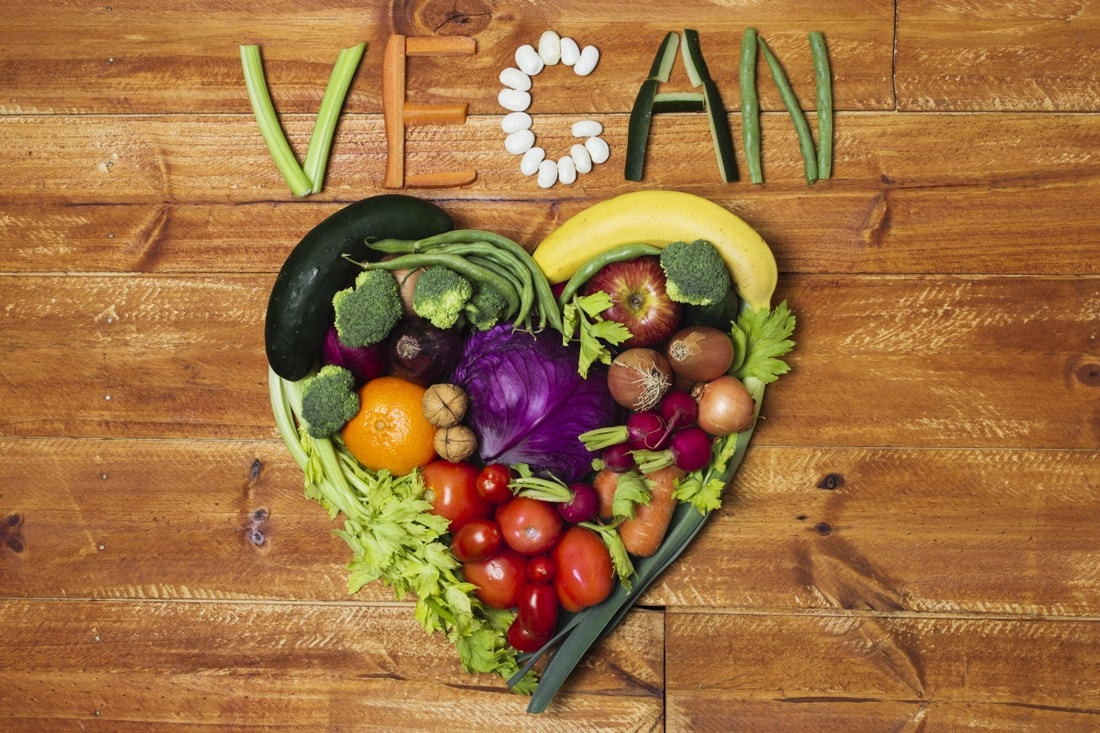 October signals seasonal changes such as cooler temperatures, pumpkin-flavored lattes and the changing color of the leaves. October is also Vegetarian Awareness Month – a month-long celebration of the health benefits of a vegetarian lifestyle.
Did you know . . .
The Covid-19 pandemic has sparked interest in a vegetarian diet to boost one’s immune system with a plant-based diet. Fruits, vegetables, and whole grains are plentiful sources of vitamins, minerals, and antioxidants that boost immune function and are frequently included in plant-based diets. In this blog, Allen Marketing Communications, Inc., a boutique food and beverage and lifestyle public relations agency based in New York City, explores the growing popularity of a vegetarian diet. What Are The Different Types Of Vegetarians?
What Are The Health Benefits Of Vegetarian Diet? A vegetarian diet “may reduce the risk of heart disease, diabetes and some cancers,” according to the Mayo Clinic. Improves Heart Health Numerous studies have demonstrated how a vegetarian diet can improve heart health by lowering blood pressure and by reducing cholesterol levels. Fruits and vegetables are “rich in nutrients and antioxidants to protect against heart disease. Fiber from the fruits, vegetables, beans and whole grains helps to lower cholesterol.” (Source: Northwestern Medicine) Support The Environment The environment can also benefit from embracing a vegetarian diet. Animal products produce more greenhouse gases than either vegetables or grains. Research shows “a diet high in meat causes 2.5 times more carbon emissions than a diet high in plants.” (Source: Vegetarian Society). Helps To Reduce Type 2 Diabetes A plant-based diet lowers cholesterol and saturated fats, which can help to reduce fatty tissue. Research a vegetarian diet “rich in fruits, vegetables, legumes and nuts can improve blood sugar and make your body more responsive to insulin.” (Source: Mayo Clinic) Maintain Mental Sharpness Foods derived from plants can support brain health. Studies show “eating more plant-based meals may be associated with a decreased risk of dementia, Alzheimer's disease, and other cognitive impairments.” (Source: National Institutes of Health). Reduces Risk Of Cancer Research shows a vegetarian diet helps to reduce the risk of cancer. “Plant-based foods contain phytochemicals, the nutrients your immune system needs to fight diseases such as cancer.” (Source: MD Anderson Cancer Center) Making Balanced Food Selections Vegetarianism is experiencing a spike in popularity as consumers seek natural ways to boost their immunity and to improve their health. Major food companies, restaurants and fast food establishments are offering line extensions featuring plant-based products to meet the growing demand for vegetarian alternatives. Our team of food and beverage public relations professionals can help food marketers tap into this growing market. By Joanna Allen, chief executive officer, Allen Marketing Communications, Inc. |
Archives
April 2024
Categories |
 RSS Feed