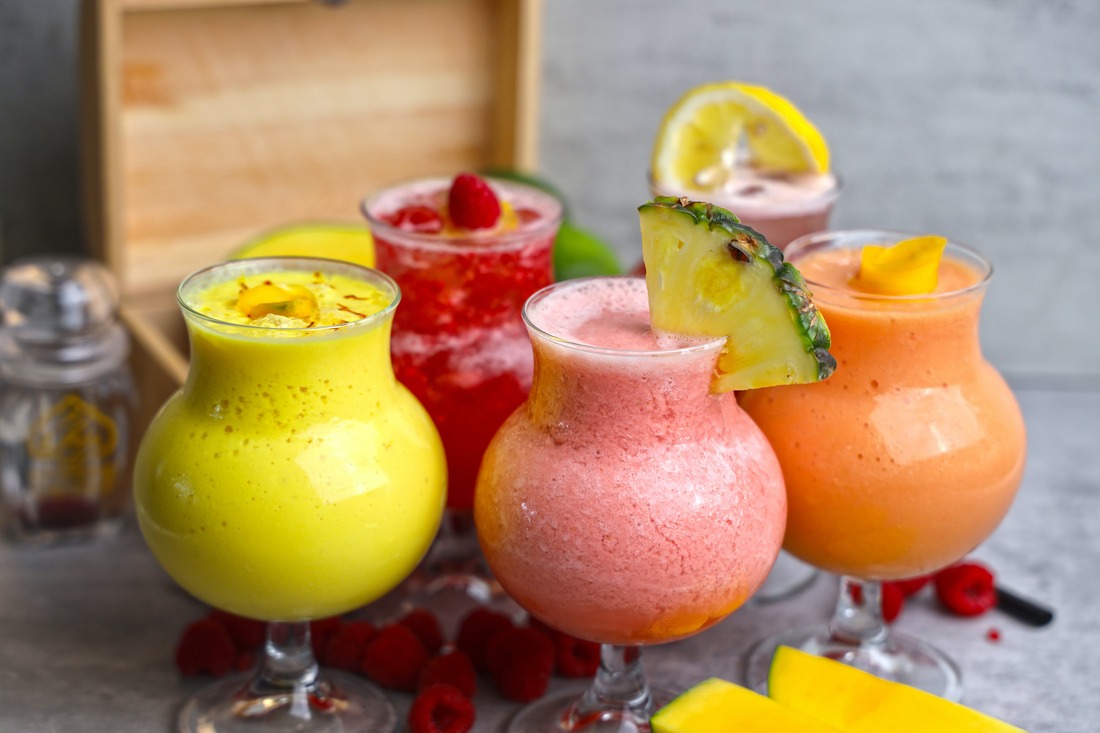
 Sober October is a month-long challenge to stay sober, make healthy choices and embrace non-alcoholic drinks such as mocktails. Mocktails are extremely popular, especially among Gen Z, providing the spirit industry with innovative line extensions.
“Mocktails and other alcohol alternatives are more than a passing fad. The sector is expected to grow to $30 billion in 2025,” according to Global Market Insights. “Consumers who choose non-alcoholic or low-alcoholic beverages frequently don't want to give up the excitement of socializing or elaborate food and beverage pairings. Young people today are less interested in alcohol than prior generations,” (Source: CivicScience report), “and the desire for a more balanced and conscious lifestyle has infiltrated every generation.” Is The Sober Inquisitive Meaning Unclear? Sober curiosity explores a person’s connection with alcohol and making changes to his or her priorities so that an individual can stop drinking and live better. Sober inquisitive might be a choice for some individuals who cut down on drinking without declaring themselves a teetotal. As the term implies, the sober curious is interested in learning more about the advantages of a sober lifestyle. It can be challenging to envisage a life without drinking for individuals who have made the "I'm never drinking again" declaration only to find themselves a few weeks (or, let's be honest, days) later having another drink. Not everyone can maintain sobriety, and the sober curious movement is more about locating a person’s ideal drinking situation. In this blog, Allen Marketing Communications, a boutique wine and spirits and lifestyle agency, explores key trends leading the explosive growth of mocktails. Increased Intentional Drinking As people become more aware of their alcohol use, mindful drinking – avoiding alcohol altogether and consuming it in moderation -- has become increasingly popular. Here are a few examples of mindful drinking. Moderation: Many people choose cocktails with less alcohol. As a result, businesses are increasingly selling beverages with less alcohol. Popularity of Mocktails: Mocktails are now the drink of choice for designated drivers and those who want to have a good time without becoming drunk. Flavor Profiles And Special Ingredients Mocktails feature unusual ingredients and flavor combinations such as purees of exotic fruits, kombucha, elderflower, and hibiscus are just a few examples. “Forty-two percent of customers are open to trying mocktails with odd or exotic ingredients in search of novel flavor combinations.” (Source: Mintel study) This pattern motivates mixologists to continuously invent and experiment. Sustainability And Environmentally Friendly Methods Sustainability has taken center stage in the mocktails industry. Bars and restaurants are increasingly using eco-friendly and sustainable ingredients. in mocktails. “Consumers who are concerned about the environment and seeking ways to lessen their impact on the environment are drawn to this trend.” (Source: Beverage Daily) Sugar-Free And Low-Calorie Mocktails Low-calorie and sugar-free mocktails are gaining popularity as more people become health-conscious. A large number of people are actively looking for healthier beverage options. A survey found that “48 percent of consumers specifically seek out drinks that are low in calories and sugar. “(Source: Beverage Industry) Mocktails that are sweetened with natural alternatives such as stevia or agave nectar are becoming increasingly popular as a result of this trend. Dedicated Menus And Mocktail Bars Bars and restaurants are offering specific mocktail menus to meet the growing demand for mocktails. These menus provide a wide variety of alcohol-free options, ranging from traditional virgin cocktails to custom mocktails made in-house. Some bars and restaurants market their business as mocktail venues to meet the growing demand for non-alcoholic drinking options. What Impact Will The Rise In Non-Alcoholic Beverages Have On The Sale Of Alcohol Over The Next Ten Years? The Sober October challenge enables individuals to make healthy choices especially as it pertains to consuming alcoholic beverages. Mocktails present a new revenue stream for the spirits industry, restaurants and bars to reach consumers, especially Gen Z population, who are making healthier drinking choices. Our team of wine and spirits and lifestyle public relations professionals are here to help spirits companies raise awareness for line extensions designed to reach consumers who are drinking less. By Joanna Allen, chief executive officer, Allen Marketing Communications, Inc.
0 Comments
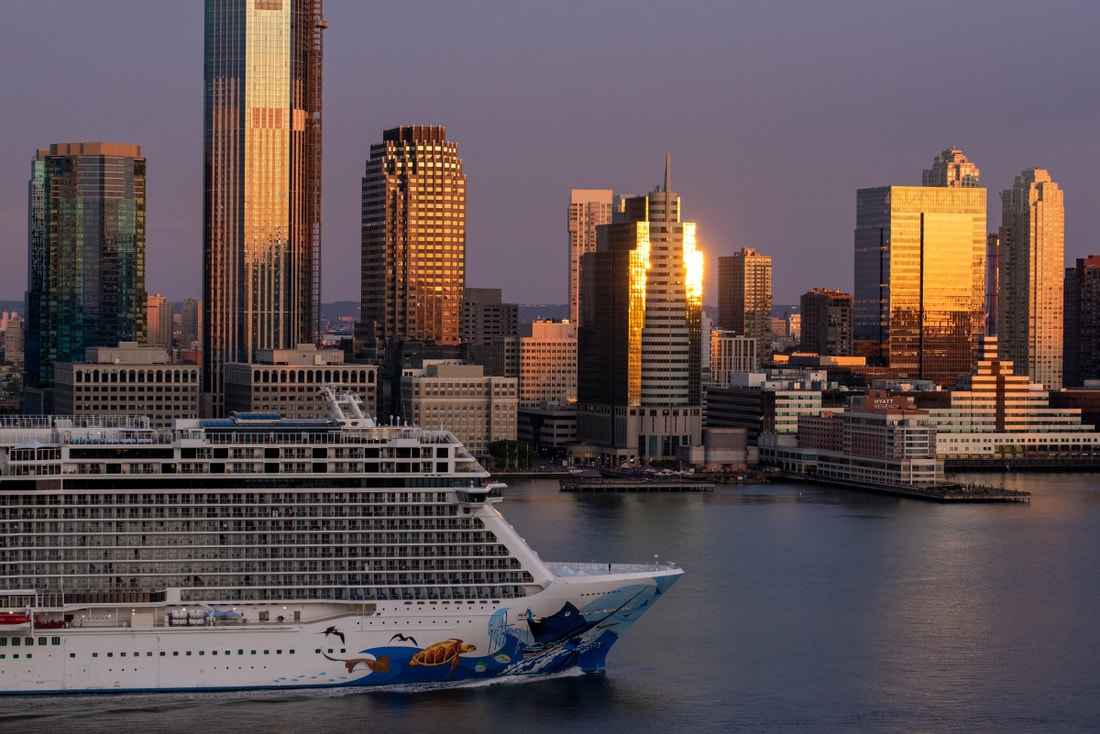 Cruise vacations offer passengers a floating resort exploring multiple locations, offering mouth watering cuisine and world class entertainment. Cruise lines have spent billions on ship upgrades to give passengers the ultimate luxury.
Did you know . . .
Cruise ships now come in many shapes and sizes, from smaller, more intimate ships to enormous mega-ships. The cruise industry is reimagining how we travel the world by sea, from environmentally friendly sailing and expedition adventures to wellness-focused vacations and technological advances. In addition, celebrity chefs, themed dining, and farm-to-table cuisine are increasingly common on cruise ships. Dining aboard a cruise ship offers the chance to enjoy gourmet dishes inspired by exotic flavors rather than buffet lines and set menus. A recent report shows “a 22 percent increase in shore excursions with a culinary focus.” (Source: CLIA). The significance of culinary experiences as a major factor in cruise bookings is highlighted by this trend. In this blog, Allen Marketing Communications, Inc., a boutique travel and lifestyle public relations agency based in New York City, set sail towards the future of cruise travel. Here is what is trending in the cruise industry. Charting A Greener Course In Sustainable Cruising The increasing focus on sustainability in the cruise industry is one of the most notable and encouraging trends. Cruise lines are adapting environmentally friendly practices in response to the growing environmental consciousness of travelers. According to the Cruise Lines International Association (CLIA). more than “60 percent of cruise ships had exhaust gas cleaning systems to minimize pollutants, and nearly 90 percent of cruise ships had modern wastewater treatment systems installed on board the ships”. Cruise lines are actively embracing sustainable initiatives such as cutting back on single-use plastics, introducing energy-saving technology, and putting money into shore power infrastructure. Major cruise lines have been investing in ships fueled by liquefied natural gas (LNG) as a cleaner fuel source. Expedition Cruises - Exploring Uncharted Territory In recent years, expedition cruises have become incredibly popular. These cruises transport guests to uninhabited, unspoiled locations, offering a rare chance for immersive, nature-centered experiences. “Bookings for expedition cruises reportedly increased by 50 percent compared to the previous year.” (Source: Cruise Industry News) Expedition cruises offer an authentic experience, as well as an immersive connection with nature and the local culture. By providing small-ship experiences that enable closer encounters with animals and isolated communities, expedition cruises satisfy needs for travelers seeking this experience. Cruises With A Focus On Wellness And Health Cruise lines are increasingly providing specialized wellness and health-centered cruise experiences at a time when health and wellness have taken center stage. The health and wellness cruises frequently provide mindfulness exercises, healthy cuisine options, spa services, and fitness programs. Research shows that “bookings for wellness-themed cruises increased by an astounding 42 percent”. (Source: Cruise Critic) While at sea, passengers want activities that promote total well-being such as onboard yoga, mediation programs and spa rituals. Additionally, cruise lines are working with famous chefs and wellness specialists to create healthier, delicious, nourishing menu options. Gourmet meals, including vegan to gluten-free selections, are served to passengers. Sailing Into The Digital Age With Digitalization And Tech Integration Cruise lines are investing in cutting-edge technologies to improve the cruise vacation experience. Today's travelers expect seamless and practical digital solutions throughout their cruise vacation. Cruise lines implemented contactless check-in, keyless entrance, and smartphone apps for onboard amenities and excursion booking in response to the COVID-19 epidemic. These developments improve convenience while simultaneously advancing health and safety. “90 percent of cruise passengers will utilize digital boarding permits by 2023, demonstrating the industry's dedication to adopting the digital age.” (Source: Cruise Market Watch) World Cruises That Are Longer - The Ultimate Odyssey Longer journeys are becoming more popular, including multi-month world cruises. Travelers seeking in-depth exploration and cultural immersion may find these cruises appealing. “The number of bookings for prolonged voyages increased by 40 percent” in recent years. (Source: Cruise Critic). This trend reveals a rise in demand for cruise itineraries that go beyond the normal week-long vacation. Particularly on world cruises, travelers have the chance to travel around the world, stopping in numerous nations and continents. Navigating Cruise Travel's Future The cruise industry is always adapting to meet the needs of the modern travelers by offering sustainable and environmentally friendly enhancements to the ships, by offering expedition and wellness-focused vacations, and by embracing technology to enhance the cruise vacation experience. Our talented team of travel and lifestyle public relations professionals are here to help cruise marketers reach the modern traveler. Give us a call. By Joanna Allen, chief executive officer, Allen Marketing Communications, Inc. 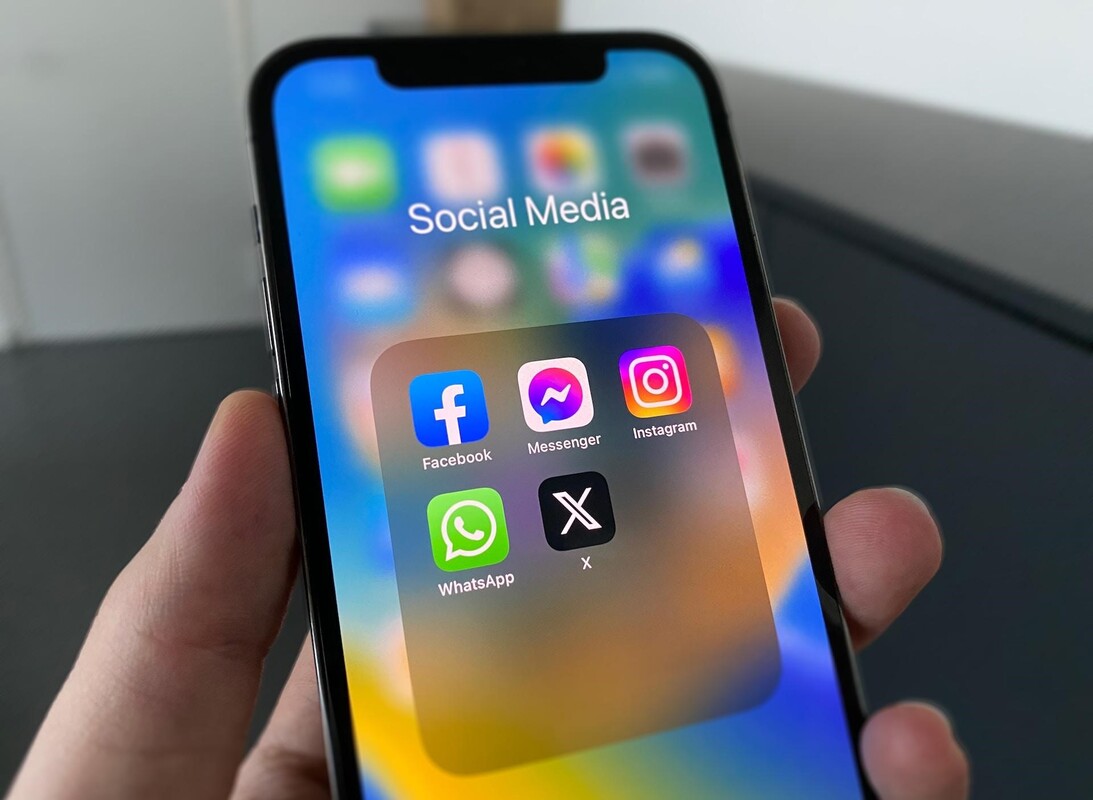 Twitter, one of the internet's iconic social media platforms, recently made an unprecedented move: rebranding as "X." Its transformation isn't simply cosmetic: this move represents a significant turning point in online communication. This article delves further into Twitter's transition and its long-term ramifications for online interaction. Welcome the Unknown with Twitter Twitter made waves across the digital landscape when it announced they were revamping itself into X. This bold change represents more than cosmetic changes; rather, it represents an unprecedented step into an unknown era of communication online. Users now face new questions regarding their motivations as they navigate this unfamiliar territory: Will its effects on individual users and the digital landscape be profound? Strategic Brand Transformation Analysis of Twitter RebrandRebranding should always be taken seriously, especially for an established platform like Twitter. Key considerations when embarking upon this endeavor:
Aligning with modern personal branding strategies involves not only curating a compelling online presence but also harnessing the power of technology to streamline your image. One effective way to achieve this is by integrating a booking application into your online portfolio. This not only enhances your accessibility but also portrays a tech-savvy, organized image that aligns perfectly with contemporary personal branding approaches. Rebranding Communication Platforms - Implications for Business NetworkingChanges from Twitter to X have wide-ranging effects on professional interactions:
Guest Post: Angela Harmon, writer, Squadhelp About Angela Harmon Angela Harmon is an integral member of Squadhelp's creative powerhouse. Passionate about storytelling and word crafting, Angela brings a special blend of creativity and strategic thought to her role. Devoted to exploring branding-storytelling relationships online for businesses of all kinds. Her innovative ideas and ability to bring brands alive make Angela an invaluable addition to the Squadhelp team. 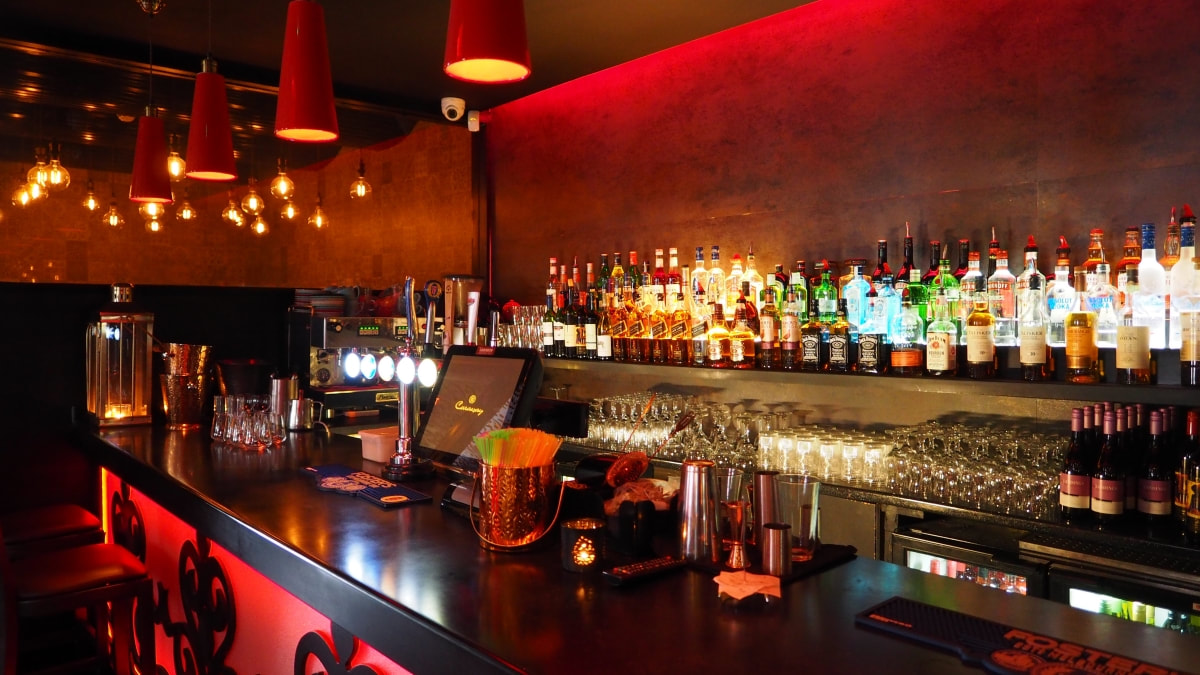 The wine and spirits has grown tremendously with the rise of RTDs, low - and no-alcoholic drinks during the last two years. The wine and spirits industry has seen innovative product extensions featuring herbal, botanical, and citrus flavor combinations and eco-friendly alternatives.
Did you know . . .
The Covid-19 pandemic has increased at-home consumption, which coincided with a rise in new alcohol varieties and the emergence of the term "cocktailing." Batched cocktails to go, which has served as a lifeline for many restaurants and bars providing a new stream of revenue during the pandemic, has become a mainstay with bars and restaurants. The alcohol business is still expanding in terms of overall volume consumption. Consumers can now once again enjoy on-premise drinking experiences. Whiskey is a key driver for the spirits industry and marketers are finding ways to reach younger customers. In this blog, Allen Marketing Communications, Inc., a boutique wine and spirits and lifestyle public relations agency, showcases key trends in the alcoholic beverage market. Ready to Drink (RTD) Alcoholic Beverages Are Here To Stay It's impossible to read about the most recent developments in the alcoholic beverage sector without learning about the rising acceptance of ready-to-drink (RTD) options. Although RTD alcoholic beverages have been available for a while, the demand is growing for these drinks. “RTD drinks are by looking at the 597 percent increase in sales of cocktail variations made with malt from the previous year. Hard seltzer RTDs, not to be outdone, are at 193 percent, while the choices for canned wine are at 77.5 percent.” (Source: Nielsen) Craft Beer Is No Longer A Specialized Product It can be life-changing to try a craft brew for the first time. It shouldn't be unexpected that craft beer has gained enormous popularity because it has accomplished it for many people. Sales of craft beer increased by 5 percent in 2018. In addition, it is anticipated that by the end of this year, there will be about 8,000 craft breweries operating in the United States. There were just more than 1,511 craft brewers in existence in 2007. (Source: Austria Juice) Craft beer has become so popular that even the bigger names in the alcoholic beverage business are anticipated to participate in the trend at some point in the future. The question of whether or not they will be successful in making artisan beer is entirely different. Low And No Alcoholic Drinks The desire for new low and no-alcohol solutions is being driven by sobriety and health aware initiatives. The low and non-alcoholic drinks currently “represent a 3.5 percent market share.” (Source: Sensient) With the aid of more nuanced flavors, this market, however, is prepared for big changes. “17 percent of people who drink low- and no-alcohol beverages completely forgo alcohol. At the same drinking event, 58 percent of customers in this sector will really transition between low, no, and full alcoholic beverages.” (Source: Sensient) Low- and no-alcohol products are being influenced by the same flavor trends as are being observed in spirits and RTDs. Customers in this market want to be able to indulge while still enjoying sophisticated drinks that provide advantages for their health and convenience. Premiumization Will Maintain The (Luxury) Spirit Since customers want to create 'affordable luxury' experiences in their homes and are prepared to spend more on higher-quality products across all alcohol categories. During the pandemic, there has been a demand for premium spirits and there are no signs that this trend is slowing down. In the US, high-end tequila rose to prominence for the first time because of home-mixology trends on TikTok and Instagram. “By 2024, it is anticipated that premium spirits' market share will rise by up to 13 percent due to younger consumers' attraction to the rich tradition of spirits manufacturing and the sustained appeal of cocktails served on-site.” (Source: Snipp) In the sparkling wine market, where high-end bubbles are on the rise, this premiumization trend is also anticipated to grow to meet market demand. Strong demand in the United States, where volumes increased by 8 percent, respectively, in 2022, is fueling growth in Prosecco and Champagne. (Source: Snipp) Whiskey Is Rising In Popularity Whiskey is a standard in many home spirits cabinets because of its distinctive flavor, which combines some wonderful nuances, earthy flavors and even undertones of spice. Many drinkers across the country already favor whiskey as their spirit of choice. And, it appears that way will continue for some time. “This year, the whiskey industry in the United States generated $18.126 million in revenue.” (Source: Statista) If such numbers are excellent, they might increase much more sharply in the years to come. “Whiskey-related income may exceed $20 million by 2023.” (Source: Linchpin SEO) Our talent team of wine and spirits public relations professionals are here to help spirits marketers introduce a new product and to reinvigorate an existing one. Give us a call. By Joanna Allen, chief executive officer, Allen Marketing Communications, Inc. Leverage Local Search Engine Optimization To Boost Your Company’s Online Presence And Build Trust9/25/2023  Consumers frequently seek a customized experience when dealing with a local business. Local SEO serves as the compass for businesses to boost their online exposure. New local SEO features such as voice search and search generative experiences increase business owners chances for having their product or service found online.
Local SEO is constantly evolving due to changes in technology, user behavior, and search engine algorithms. It is important to have an effective local SEO plan to increase your company’s visibility, organic rankings, and leads for your website. Research shows “87 percent of consumers used Google in 2022 compared with 81 percent in 2021 to find a local business.” (Source: BrightLocal) In this blog, Allen Marketing Communications, Inc., a local search engine optimization service in NYC, will delve into the crucial trends that are transforming how businesses communicate with local audiences. 1. Voice Search For Local Listings Google is attempting to comprehend natural languages better with the release of its LaMDA language model. Voice search is becoming more and more popular instead of typing. “The market for voice technology, which was just under $10 billion in size in 2020, is anticipated to grow to $30 billion by 2026.” (Source: Statista). Additionally, “71 percent of consumers favor using voice search to make their inquiries.” (Source: Oberlo) Since the keywords used in voice optimization are more specific and conversational than those used in ordinary SEO, it differs from regular SEO. For instance, while using voice search, users inquire, "What restaurant serves Chinese food nearby?" as opposed to typing, "Chinese food nearby." It is also important to optimize your local business listing for voice search to increase the chances for customers finding your company. Here are some pointers for effective voice search content optimization:
2. Search Generative Experience (SGE) On Google “The Search Generative Experience (SGE) is Google's most significant update to the SERP in decades, and was unveiled last year.” (Source: Near Media) It is as intimidating as it sounds. But let's dissect it. What we now have is just speculation and observations, yet these early discoveries are essential. A key step forward in our SEO journey is Google's SGE, which includes AI in the search results. It is presently being evaluated at Google's Search Labs. (Source: Community College) While there are some areas where the SGE Pack and Classic Local Pack overlap, there isn't a complete match, suggesting that the SGE is casting a wider net. Additionally, it provides a clear indicator of how local SEO will be impacted by AI. SGE entails its own amount of apprehension and anxiety, just like any uncharted territory. The rules of engagement for SGE are still being established in local SEO. However, the promise it holds is too important to overlook. AI is already having a significant impact on current local SEO trends. Accept the challenge it poses, pay attention to its results, and adjust your tactics as necessary. Keep in mind that those who adapt will succeed in the game of digital visibility. 3. Greater Loading Speed Did you know that if “a mobile website takes more than three seconds to load, 53 percent of users will abandon it?” (Source: Google Think) That's a sizable figure, and it just serves to emphasize how crucial page speed is for local SEO. Customers simply don't have the patience for a slow website in the fast-paced world of today. If your website is slow, visitors will quit and you'll suffer the consequences in the form of worse search engine ranks. It is important to test the page speed to ensure the responsiveness of your local company website. The page speed test will assist you in determining areas for improvement on your website. Then, take action to increase the speed of your page by using a faster web hosting service, image compression, and code minification. Your website's page speed will boost local SEO, give users a better experience, and eventually increase the likelihood that local leads will become paying customers. 4. Structured Data And Websites For Local Businesses Did you know that “88 percent of people who conduct a business search call or visit that company within 24 hours?” (Source: Grafti9) The local search implies that unless you have a website containing your address and phone number, your company will remain unknown. Additionally, your website and business address will probably continue to be hidden in search results if you don't invest in local SEO. Therefore, you should spend money on a quality website if you want your local business to succeed. Give the reader engaging content, and make it simple for everyone to access the information they require. Businesses with an interactive website draw in local customers and, in turn, generate more leads for them. 5. Leverage Social Media To Boost Your Businesses Almost everyone utilizes social media in our digital age. Companies, large and small, use social media to enhance their online visibility. Social media is crucial for your neighborhood business because it builds brand awareness, trust and community engagement Additionally, it raises your company's ranking on SERPs. It also helps to produce leads for your business. Here are key things to consider to increase your social media influence.
Use Local SEO Trends To Your Advantage To ensure our clients are always one step ahead of their local competition, we continuously track local SEO best practices, trends, and technological enhancements. The team at Allen Marketing Communications, Inc. is not only knowledgeable in local SEO; we are experts in it. To learn how we may assist you with advancing your local search strategy, contact us today. By Sanjay Poddar, founder, Yukti Digital and consultant to Allen Marketing Communications, Inc.  Destination weddings enable couples, their loved ones and friends to travel to a special location to celebrate their weddings. In a post-pandemic world, destination weddings are growing in popularity as couples create memorable experiences for themselves and their loved ones.
Did you know . . .
Allen Marketing Communications, Inc., a boutique travel and lifestyle public relations agency based in New York City, shares the top destination wedding trends in a post Covid-19 world. Historical Themes Couples are embracing historical themes – historical figures and events –in their destination weddings. Popular historical themes include ancient ruins of Rome, the mystique of Egypt and the heritage of Greece as the backdrop for their wedding. “In 2023, 42 percent of destination weddings will have historical or cultural themes, bringing to life past civilizations as couples celebrate their union.” (Source: The Knot) Couples are carefully planning every aspect of their weddings, from the venue choice to the décor, to capture the grandeur of earlier eras. The past has been effortlessly incorporated into the present – couples are saying their wedding vows in venues with Egyptian art, Roman-style columns and gladiator themes. Destination Weddings Mood Boards Couples that value aesthetics are going over and above to create a seamless destination wedding experience. Mood boards enable couples to display the bridal and guest attire and wedding themes. Mood boards also foster a sense of inclusivity and unity because couples are providing guests with visual signals about the wedding experience. These mood boards provide visitors with a glimpse into the couple's plans for destination weddings – black tie wedding at a majestic castle or a whimsical seaside beach wedding. Often, the mood boards are shared on social media so everyone stays abreast of the destination wedding details. Experiences With Cultural Immersion Couples are incorporating local culture into their destination weddings by incorporating local customs, cuisine, and traditions to the destination wedding, couples capture the essence of the “Eighty-seven percent of couples take cultural factors into account when planning their wedding.” (Source: WeddingWire). Couples immerse themselves and their guests in the richness of the local culture by including local art and music as well as customary traditions and rituals. This trend encourages a closer bond between the couple, their guests, and the place itself in addition to providing a one-of-a-kind and unforgettable event. Guests leave the destination wedding feeling as though they had a genuine cultural interaction. Centrally Located Wedding Couples are seeking a central place for a destination wedding since some couples have loved ones living in different parts of the world. The "meet-me-in-the-middle-weddings" enables all family members to participate in the destination wedding without incurring huge travel expenses. Couples are also choosing vacation locations that embody an adventurous and celebratory mood. Couples are still selecting centrally located destinations that reflect the couples’ values to create special memories with their families and friends. Destination weddings are a lucrative sector of the travel industry. Our team of travel and lifestyle public relations professionals are here to help. Give us a call. By Joanna Allen, chief executive officer, Allen Marketing Communications, Inc  Wellness travel enhances travelers' health and well-being through physical, mental, and spiritual activities. Popular wellness experiences includes “spa, mineral springs, yoga and meditation retreats, skiing, hiking, pilates” according to Research and Markets.
Did you know . . . “The global wellness tourism market is expected to reach US $2.1 trillion by 2030. The market is expected to expand at a compound annual growth rate (CAGR of 12.42 percent from 2023 to 2030.” (Source: Research and Markets) “20 percent of all travelers are wellness tourists, of whom 78 percent say their vacations benefited their mental and physical well-being and 51 percent believe their vacations aided in their recovery from disease.” (Source: Wellness & Destinations). “Wellness vacations are trending: 73 percent of respondents say they are planning vacations around improving their physical and emotional health, 68 percent say they are picking travel destinations in nature to help with mental clarity, and 43 percent say they have selected a hotel based on its spa and wellness amenities.” (Source: Forbes) “17 percent of the wellness population is younger than 34. This demonstrates that wellness tourism is popular throughout all age groups and is not simply for the young. The rising selection of low-cost to high-end wellness tourism could help a wider spectrum of health seekers, not just those who cater to a wealthy audience.” (Source: Be Blissful Travel) To help wellness marketers capture their share of voice and share of the market, Allen Marketing Communications, Inc., a boutique travel, wellness and lifestyle public relations agency based in New York City, spotlights the key wellness trends. Active & Adventure Wellness: Adrenaline With A Purpose Adventure travelers are embracing the wellness industry. Travelers have the chance to embrace heart-racing activities with a greater feeling of purpose thanks to active and adventure wellness experiences. Adventure travelers place a high value on activities that encourage physical activity and mental health. The wellness tourism industry has seen a huge increase in demand for adventurous adventures like hiking, cycling, rock climbing, and more. This propensity for adventure with purpose highlights the all-encompassing mindset travelers are adopting, realizing that thrilling adventures can be both reinvigorating and transforming. Mindfulness And Meditation Getaways Mental wellness escapes such as mindfulness and meditation retreats have exploded in popularity during the Covid-19 pandemic. Travelers can escape the pressures of modern lifes and delve into the depths of inner calm and self-awareness. Research shows “a whopping $639.4 billion in wellness tourism related to mental health.” (Source: Global Wellness Institute). This financial information supports the idea that travelers value mind-nourishing experiences more and more. There has been “a 73 percent increase in reservations for meditation retreats has been reported as a result of the use of meditation applications like Headspace and Calm (Source: Tripadvisor). The meditation and mindfulness retreats are transforming into sanctuaries to support emotional balance and personal growth. Nature-Focused Vacations Nature immersion excursions are a growing sector of the wellness travel industry. The Covid-19 pandemic has sparked an interest in developing a closer connection with nature. Nature immersion vacations have been shown to have healing properties from the natural surroundings. Research shows “a significant 42 percent increase in travelers looking for outdoor experiences in pristine natural surroundings.” (Source: Global Wellness Summit) demonstrate the exponential expansion of this trend. The therapeutic benefits of the Japanese practice of "shinrin-yoku," also known as forest bathing, has been shown to reduce stress and enhance a person’s mood. Digital Detox Escapes The way we work, communicate, and travel the world has been completely transformed by the digital era. Digital burnout is a new type of stress brought on by the constant connectivity that comes with our digital devices. Digital detox vacations are becoming more popular as people realize the benefits of switching off from all electronic devices and living in the moment. The digital detox retreats give visitors the chance to disconnect from technology and focus instead on their surroundings, other people, and introspection. “A startling 86 percent of individuals in the US, check social media, emails, and texts on a frequent basis raises stress levels.” (Source: American Psychological Association). There has been a considerable change in travelers' tastes as a result of the increased understanding of the negative consequences of excessive screen time. “Bookings at wellness retreats and resorts that provide structured digital detox programs have increased by an astounding 52 percent just in the last year.” (Source: Wellness Tourism Association). As a result of this trend, travelers are being encouraged to place a higher priority on mental refreshment and connection with their surroundings. It also highlights the growing demand to escape from the constant digital noise in our lives. Sustainable Travel Vacations The wellness industry is dedicated to sustainable practices to protect the environment. Travelers today want to know what steps the hotel or resort they are staying at takes to lessen its environmental impact. Wellness travelers are choosing eco-friendly towns and sustainable locations to do their part to protect the environment. Whether it's participating in a conservation program, using recycled materials in construction, or providing pull-chain showers, visitors want to know that their money is going to a place that has little impact on the environment. Wellness travelers are developing a meaningful connection with themselves by embracing digital detox, nature immersion, mindfulness and meditation, gastronomic wellbeing, and active and adventure experiences. Our team of wellness travel professionals can help marketers maximize their full potential in this industry. By Joanna Allen, chief executive officer, Allen Marketing Communications, Inc. 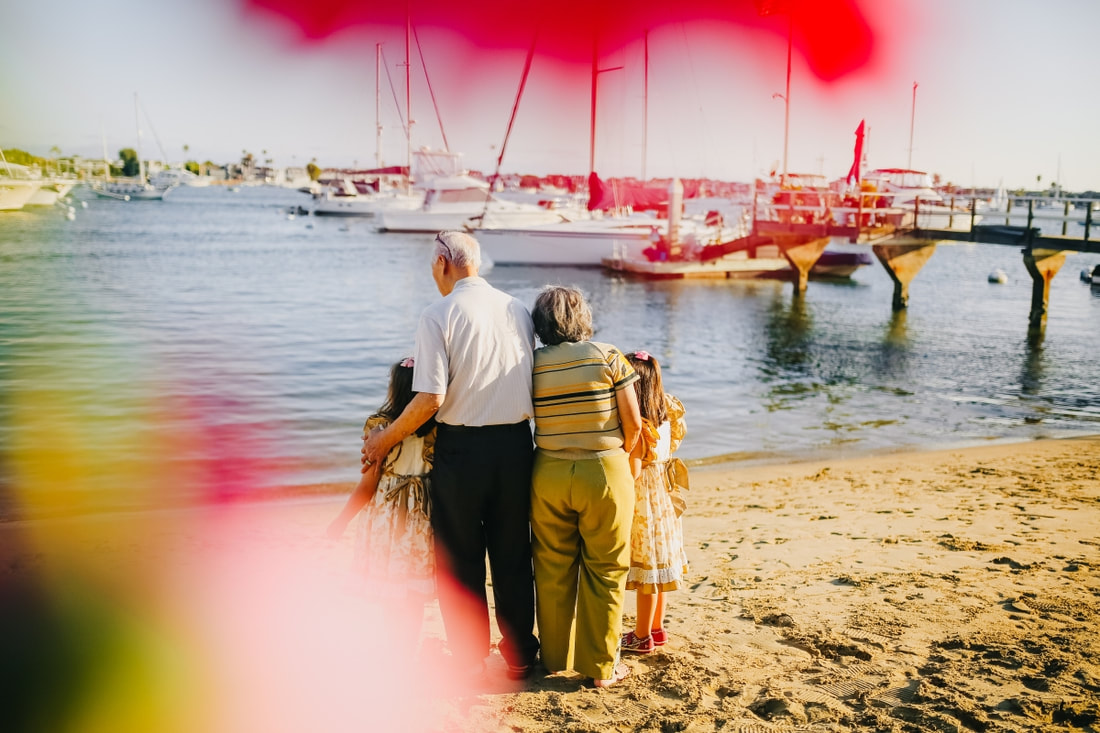 Family travel – parents traveling with kids, skip trips (grandparents traveling with grandchildren) and multigenerational travel – has started to rebound in a post Covid-19 world. Families are embracing immersive experiences to create memories of a lifetime and to make up for the time lost due to the pandemic restrictions.
Did you know . . . ● “Family travel is on the rise, with families making up 63 percent of leisure travel and 30 percent of global tourism. (Source: Gitnux Market Data) ● “Millennials take an average of 2.6 trips annually and those with families tend to travel more than couples or even solo travelers. (Source: Dream Big Travel Far Blog) ● “The average family of four spends $3,835 a year on travel.” (Source: Dream Big Travel Far Blog) ● “Sustainable options are a crucial factor that parents consider while making trip plans. Parents explore sustainable travel options at a rate of 94 percent, higher than the national average of 90 percent.” (Source: Sustainable Travel Study). ● According to an inclusive travel insights report,” even if it were more expensive, 76 percent of parents would pick a travel choice that was more accommodating to all sorts of travelers.” Family travel has assumed new dimensions that are reshaping how we view the globe, driven by evolving lifestyles, technological breakthroughs, and world events. In a post Covid-19 world, families will use travel agents to find the best value for their bucket list trip especially with the rising cost of inflation. In this blog, Allen Marketing Communications, Inc., a boutique travel and lifestyle public relations agency, explores the top five family travel trends that are offering life-changing adventures and remarkable experiences. Fostering Intergenerational Bonds Through Multigenerational Travel Family travel has embraced intergenerational travel to foster family reunions and build lasting connections. Traditionally, family vacations involved parents traveling with their kids to see the world. Now. grandparents, aunts, uncles, and cousins join the family outing, resulting in a pleasant blending of generations traveling together. “A startling 52 percent of grandparents said that spending time with their grandkids is their main reason for traveling.” (Source: AARP survey). Family ties can be strengthened and a wealth of priceless memories can be created by the emotional bonds formed through shared experiences. Experiential and Adventure Travel: Seeking Excitement And Bonding Moments Families are embracing challenging and thrilling activities by moving outside of their comfort zones. “40 percent of adventure travelers are parents, a statistic that highlights the rising appeal of adventurous and active family vacations.” (Source: Adventure Travel Trade Association). Family vacations now emphasize hiking, wildlife encounters, cultural immersion, and heart-pounding thrills. Beyond the desire for excitement, these encounters offer beneficial chances for family bonding by allowing them to enjoy triumphant and educational moments. Exploration-Based Education: Outside The Classroom The idea of learning has expanded beyond the walls of the classroom to include family vacations. Parents are increasingly looking for educational opportunities that can delight their kids while also making history come alive on vacation. “A startling 76 percent of parents think that travel improves their kids' academic performance and chances for success in the future.” (Source: U.S. Travel Association). Research shows parents are spending their vacations visiting historical sites, museums, cultural landmarks, and immersive workshops. A new era of family travel has emerged as a result of the blending of education and leisure, where discovery serves to extend perspectives and cultivate a passion for learning that lasts a lifetime. Eco-Aware Vacations: Sustainable And Responsive Travel Families' travel decisions have been considerably impacted by the increased knowledge of environmental issues. Planning a trip now heavily emphasizes sustainability and ethical tourism. “A significant 74 percent of American travelers indicate a desire to stay in eco-friendly accommodations,” according to a Booking.com survey. Families are being lured in greater numbers to locations that have an emphasis on conservation, reducing their carbon footprint and enhancing local communities. This development is a result of a concerted effort to protect the allure and beauty of popular tourism sites for upcoming generations. Technological Explorations: Crossing The Digital Divide It's not surprising that family travel has embraced digital tools to improve the travel experience. Although print and digital guidebooks are trusted sources for planning vacations, “85 percent of families now use cell phones to find their way about and schedule their activities.” (Source: Family Travel Association). Technology has completely transformed the travel experience, from locating and reserving hotels to learning about nearby attractions through user-friendly travel apps. In addition, technology has given families the freedom to completely personalize their vacations. It is important to comprehend what family travelers want in order to capitalize on the high demand for international travel. These trends act as a compass directing families towards an exciting and transformative travel experience in an ever changing world. Our team of talented travel public relations professionals are here to help family travel marketers tap into this lucrative market. By Joanna Allen, chief executive officer, Allen Marketing Communications, Inc. 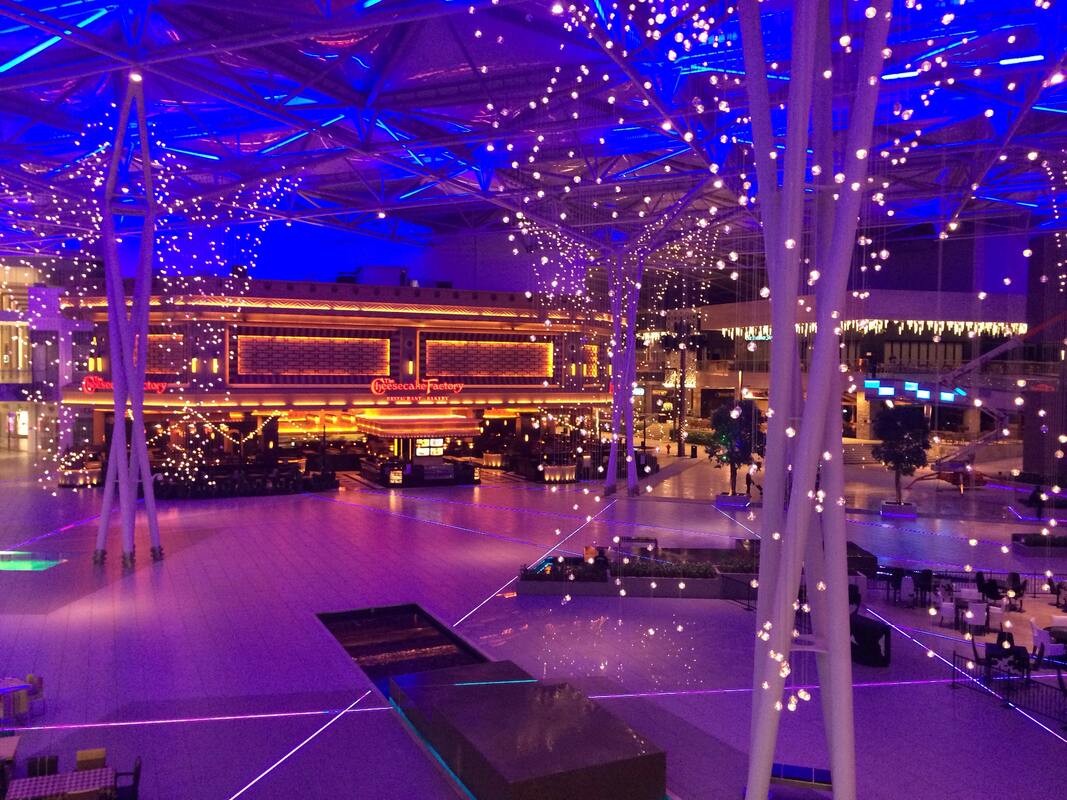 Special event marketing is an excellent way to build brand awareness, educate first time and repeat consumers, and even generate data with leads for individuals interested in a particular product or service. The event marketing industry has evolved especially during the Covid-19 pandemic to include new event mobile apps, social media and other technologies to transform how consumers interact with brands.
Verified Market Research expects “the global events industry to bring a whopping $2.19 trillion by 2028 – quite an uptick from the $887 billion the market commanded in 2020.” (Source: Bizzaboo). Other key findings include the following information.
In addition, the event marketing industry has embraced new terms such as the FOMO (fear of missing out) factor. Event planners must create unique, one of a kind experiences to build engagement with first time and repeat customers. To help savvy marketers stay abreast of industry changes, Allen Marketing Communications, Inc, a Special Event Management Agency in NYC, will spotlights five new special event developments. Omnichannel Event Experience Omnichannel event strategy often includes personalized messages focusing on what the customer wants to read, hear and see in a pre-, during and post-event strategy. Research shows that “campaigns using three or more omnichannel marketing channels outperformed single-channel campaigns in terms of purchase rate by 287 percent.” (Source: Omnisend) Omnichannel events are a new way for marketers to create a journey for customers using many digital channels with targeted messages. The consumer experience begins before a company starts an event and lasts long after the completion of the event. Brands ROI often increases with an omnichannel event strategy. A Single Event Digital Platform Event attendees seek immersive and interactive experiences and they prefer to take an active role in live, recorded, hybrid and on-demand events. It is important to find an event technology solution to meet a company’s digital needs. “To meet their objectives, 19 percent of marketers currently manage four to seven separate event technology providers, which takes time and resources. Marketers should decide what their general event needs are and then choose partners who can fulfill those needs.” (Source: The Forrester). Digital engagement on a single event platform provides participants with a uniform, seamless experience, reducing friction brought on by navigating between several platforms. Users' overall event experiences are improved by the ease with which they may move through different event components. A single platform also makes it possible for organizers to collect and analyze data gaining deep insights into attendees' preferences and behavior. The data can then be applied to customize experiences, focus marketing initiatives, and enhance upcoming events. Event Mobile Apps Consumers use mobile devices to access event information. Research shows that “52 percent of attendees at events use cell phones.” (Source: Eventbrite). As more individuals get comfortable using mobile devices, it is anticipated that this event trend will continue to gather information about events. “According to 72 percent of event organizations, today's event management depends heavily on event technologies.” (Source: Bizzabo) The apps allow users to search for events, view timetables, make reservations, and even purchase tickets. Although these applications aren't as widely used as other forms of social media yet, mobile apps are starting to have an impact on the event industry. “The mobile apps have completely changed how we connect with live events by providing a fun, interactive platform that enhances and supplements the in-person experience. It appears they're here to stay, as 78 percent of businesses who employ mobile event apps claim that they improve their event ROI.” (Source: Markletic). Hybrid Events Hybrid events enhance a company’s ROI. Event planners are leveraging mobile event apps to offer a seamless in-person and digital experience. Research shows that “71 percent of businesses with 5000+ employees planned hybrid events in 2022.” (Source: Markletic) Event planners are leveraging mobile event apps to create in-person events that are entirely digital. Attendees can now access interactive Q&A sessions, digital maps, live updates, personalized timetables, networking opportunities, and all of this right at their fingertips. The apps also enable real-time polling and feedback, resulting in a lively and engaging event setting. Post Event Surveys Provide Original Data From Live Events Original data from events - live and digital – can still give businesses a crucial competitive edge about its target. Research shows “83 percent of customers are eager to contribute their data.” (Source: Accenture). Consumers will complete post event surveys to provide event organizers with invaluable feedback 1) to improve the current event and 2) to enhance the customer experience. Marketers, in turn, will gain invaluable insight about their audience and make adjustments for future events by looking for areas for improvement based on the survey findings. Our Special Event Management Agency in New York City can give clients a competitive advantage to keep their brands top of mind with their customers. By Joanna Allen, chief executive officer, Allen Marketing Communications, Inc. 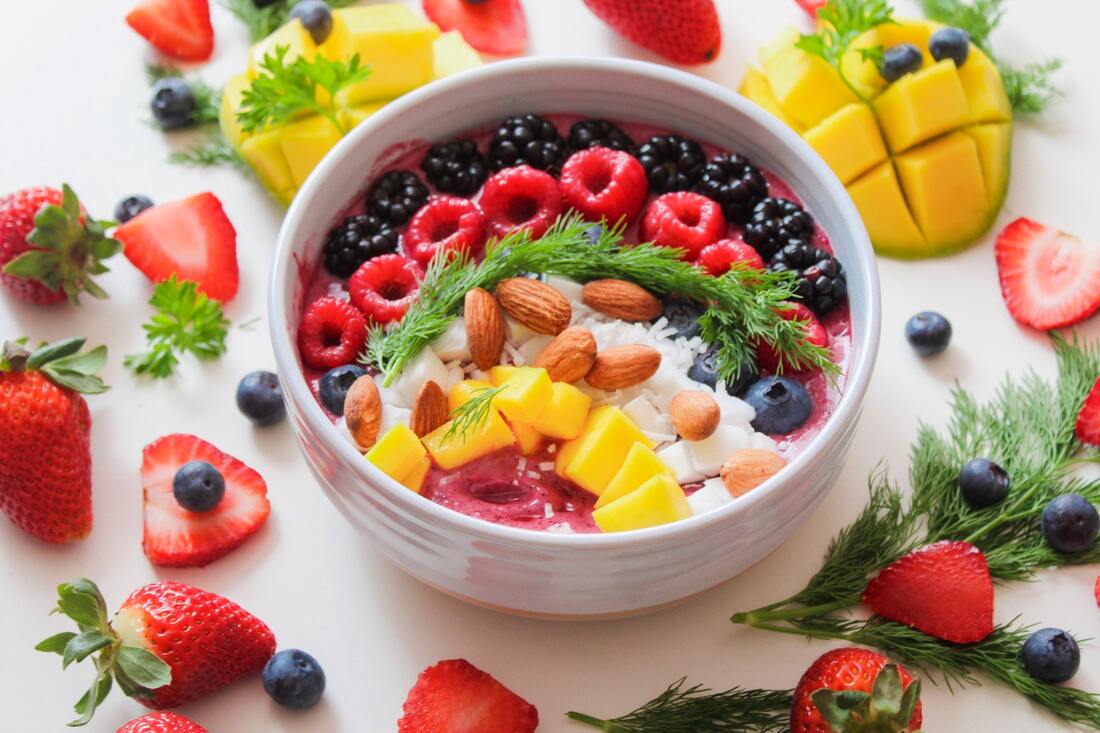 Have you heard the saying “a healthy body equals a healthy mind”? Well, these age old comments are becoming less of a saying and more of a way of living as we gain insight into the correlation between nutrition and mental health. Mood foods promote overall well-being, boost energy levels, relieve stress and can improve your overall mood. The way we fuel our body translates to how we fuel our mind shows a direct correlation between nutrition and mental health. According to a dietician from the Mayo Clinic, “high-quality diets are correlated with feel-good hormones, such as serotonin and dopamine." So what foods get us in touch with those feel-good hormones? Research shows that foods with healthy fats, high fiber, essential amino acids, B vitamins, antioxidants, and other nutrients are successful in promoting wellbeing. The need for foods to boost your mood has accelerated during the Covid-19 pandemic. “Estimates from the American Psychological Association indicate that rates of anxiety and depression are up by approximately 25 percent since the pandemic began.” (Source: Inner City Health Central) Consumers have become more health conscious seeking natural ways to boost their mood through food. Allen Marketing Communications, Inc., a boutique food and beverage public relations agency, highlights key trends with foods to boost your mood. Fruits and Vegetables “Fruits and vegetables contain a wide variety of brain - healthy and mood - enhancing vitamins, minerals, antioxidants, healthy fats, and more that have beneficial impacts on our mind and our bodies.” (Source: Marie Molde, RD) Obviously fruits and vegetables can never go overserved, but certain fruits and vegetables go the extra mile in boosting your mood. Blackberries, blueberries and raspberries are rich with antioxidants and anti-inflammatory properties and these berries help reduce stress. Vitamin B6 from bananas and vitamin C from oranges have been proven to boost cognitive functions. Apples “are full of fiber that acts as a prebiotic, which is great for gut-brain connection. Plus, they’re full of antioxidants known as quercetin, which helps fuel feel good neurotransmitters in the brain.” (Source: Patricia Bannan, an internationally recognized MS, RDN). Leafy greens vegetables such as spinach, arugula, and kale should always be a go to as they are full of magnesium and folate which help reduce anxiety. Broccoli, brussels sprouts, cauliflower, and cabbage all have large amounts of chromium, which increases the levels of brain chemicals related to positive feelings, alertness, and energy. Fish and Lean Meats The omega-3 fatty acids found in fish helps restore and and protect the brain to elevate your spirits. Fish such as salmon, sardines, lake trout and tuna all provide these omega-3 fatty acids and have other minerals and vitamins important to mental wellbeing. Meats are an important source of protein but it is important to shy away from red and processed meats and turn to lean meat that has more protein and less fat than other meats. Beef, chicken, and pork for example are an excellent source of iron which boosts energy and helps the body build strength. Other Mood Boosting Foods Nuts and seeds contain high amounts of plant-based proteins, fiber, and healthy fats. Cashews, peanuts, almonds, along with, sesame, pumpkin, sunflower, and chia seeds, all provide amino acids responsible for producing serotonin. Fermented foods, such as yogurt and kombucha can help improve your gut health which is important to your mood. Look to fill your diet with oats, beans, lentils, low-fat dairy, and olive oil, all foods that contain the nutrients our brain needs to create a healthy mind. Everybody loves a good mid-day snack. Research shows “consumers want to improve their diets through cleaner foods giving snack makers an opportunity to produce innovative health indulgences.” (Source: Food Navigator USA) By Erin Stevens at Allen Marketing Communications, Inc. |
Archives
April 2024
Categories |
 RSS Feed